+86-25-8470-5507


Views: 0 Author: Site Editor Publish Time: 2026-06-28 Origin: Site


Transitioning from basic drip pans to professional fluid management represents a critical threshold. It signals real growth for automotive and industrial operations. Every busy shop eventually reaches a hard physical limit. Relying on inadequate fluid collection creates costly labor bottlenecks. It increases daily spill risks. Furthermore, manual handling invites potential OSHA or EPA compliance violations.
Mechanics waste valuable time cleaning floors instead of turning wrenches. Establish early on that investing in a dedicated Oil Drainer transcends basic convenience. Rather, it represents a highly calculated decision. You base this choice on your operational volume, specific vehicle types, and exact workspace setup.
In this comprehensive guide, we will explore the precise moments when simple tools fail. We will define which specific industries demand specialized fluid handling. You will learn how to match equipment to your garage layout effectively. Finally, we will outline the exact dimensions you need to evaluate before upgrading your fluid management workflow.
Many independent garages start their journey using simple open drip pans. These basic tools work perfectly fine for occasional weekend maintenance. However, professional environments operate under intense time constraints. Hidden business costs multiply rapidly once a shop surpasses three to five daily oil changes.
Basic oil catchers introduce severe labor inefficiencies. Technicians waste substantial time carefully carrying sloshing pans across the shop floor. They must manually pour used fluids into bulk storage drums. This delicate balancing act inevitably leads to accidental spills. Cleaning up these messes consumes expensive bay time. It also forces mechanics into unnecessary physical strain. Bending, lifting, and pouring heavy open containers damages technician morale over time.
Upgrading your fluid management system must satisfy three primary success criteria. First, you need to achieve zero-spill transfers. Second, the equipment must facilitate rapid bay turnaround. Third, you require secure temporary storage before bulk disposal. Meeting these criteria ensures a smooth, highly profitable daily workflow.
We cannot ignore the high cost of inaction. Small puddles of spilled motor fluid create severe safety hazards. Slip-and-fall accidents devastate a business through employee injury and potential litigation. Additionally, bay downtime destroys your daily revenue. Every minute spent sweeping up absorbent clay translates directly to lost billing opportunities. Professional equipment eliminates these risks entirely.
Different automotive and industrial sectors face unique fluid management challenges. You must analyze your primary vehicle types to select the right equipment. Below, we break down the four core applications demanding specialized solutions.
Dealerships and busy repair shops handle dozens of passenger vehicles daily. Mechanics typically service these cars using two-post or four-post hydraulic lifts. The technician works comfortably standing underneath the elevated vehicle.
This scenario requires an upright Garage Oil Drainer. These units feature tall, adjustable telescopic funnels. The funnel catches gravity-fed fluid safely at head height. Technicians simply roll the unit under the raised vehicle, adjust the height, and remove the drain plug. This setup keeps the workspace perfectly clean and highly efficient.
Fleet maintenance centers manage massive box trucks, delivery vans, and municipal transit buses. These vehicles hold incredibly high fluid capacities. A single heavy-duty diesel engine often contains 15 to 40 quarts of motor fluid.
Standard collection equipment overflows instantly in this environment. Fleet operators require high-capacity tanks holding 20 or more gallons. Large reservoirs prevent constant, tedious trips to the bulk waste tank. A mechanic can service multiple fleet vehicles sequentially. They empty the large tank only once at the end of their shift.
Industrial technicians service tractors, excavators, and semi-trucks much differently. Mechanics rarely lift massive construction equipment into the air. Instead, they perform maintenance directly on the ground or over shallow inspection pits.
These massive machines demand low-profile, roll-under drainers. These specialized units sit mere inches off the ground. Technicians slide them easily beneath heavy axles. Look for models featuring internally baffled tanks. Baffles prevent heavy fluid from sloshing violently during transport across uneven shop floors.
Dedicated quick lube businesses survive on pure volume and rapid turnaround speed. They must process vehicles in minutes. Furthermore, many modern European luxury cars lack traditional undercarriage drain plugs entirely. Engineers design these newer engines for top-side fluid extraction.
Quick lube stations heavily utilize pneumatic extractors. These advanced devices pull old fluid directly up through the engine dipstick tube. They bypass undercarriage removal completely. Technicians leave the car firmly on the ground. This method accelerates service speed and completely eliminates stripped plug liabilities.
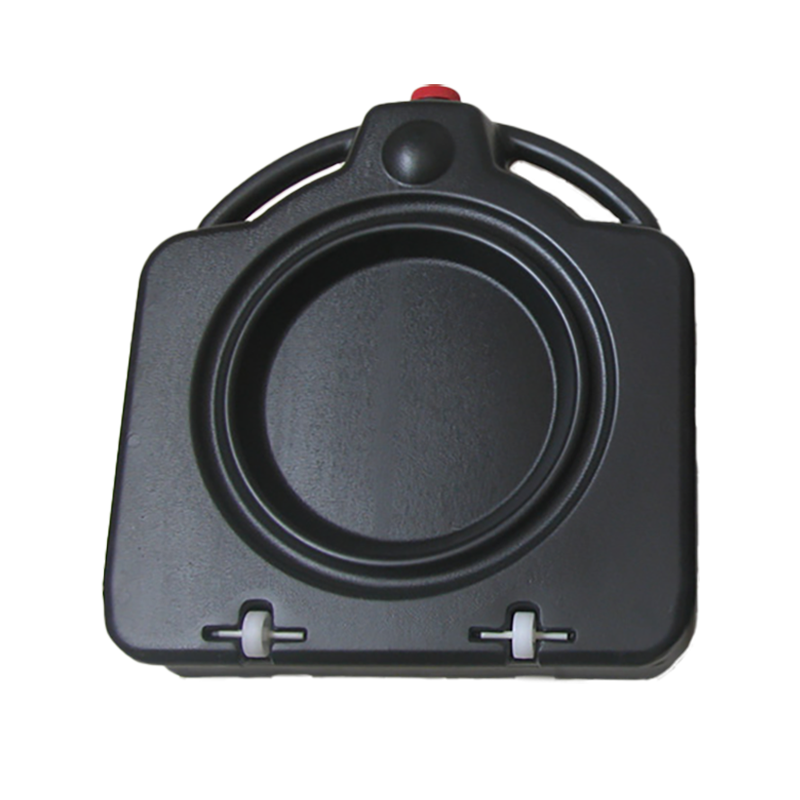
Manufacturers design distinct equipment categories to match specific garage layouts. You must understand how these categories function mechanically. Choosing the wrong mechanism creates frustrating operational bottlenecks.
Upright gravity units remain the undisputed industry standard for lift-equipped bays. They offer remarkable simplicity and cost-effectiveness. A wide top funnel catches falling fluid. Gravity pulls the liquid down a hollow steel tube into the storage base. They require minimal maintenance due to a lack of complex moving parts.
Suction extractors connect directly to your standardized shop air compressor. They utilize the Venturi effect to create a powerful internal vacuum. You insert a narrow nylon probe straight into the vehicle dipstick tube. The vacuum effortlessly sucks the fluid out from the top. They prove ideal for mitigating stripped drain plug liabilities.
Heavy equipment requires low-profile truck drains. Manufacturers build these units resembling large, flat rectangles on wheels. They often feature extended T-handles for easy maneuvering under wide semi-trucks. They include heavy-duty steel wire meshes covering the catch basin. This mesh stops dropped wrenches from vanishing into the waste tank.
Many independent shops service a wildly mixed fleet. A mechanic might see a 1990 pickup truck followed immediately by a 2024 luxury sedan. Combination units offer the highest operational flexibility. They feature both an adjustable gravity funnel and a vacuum extraction manifold. You get two essential machines packed into a single footprint.
| Solution Category | Primary Vehicle Type | Ideal Shop Environment |
|---|---|---|
| Upright Gravity Drain | Standard Passenger Cars | Bays equipped with 2-post or 4-post lifts |
| Pneumatic Extractor | Modern Luxury Vehicles | Flat bays, Quick Lube, Top-side service |
| Low-Profile Drain | Semi-Trucks, Tractors | Ground-level maintenance, shallow pits |
| Combination Unit | Mixed Consumer Fleet | Independent garages with variable daily traffic |
You need a structured evaluation framework before authorizing an equipment purchase. Assessing generic marketing claims often leads to buyer remorse. Focus intensely on four crucial physical dimensions.
You must balance raw capacity against your available floor space. Small independent garages usually thrive using an 8-gallon to 10-gallon tank. This size accommodates several passenger cars while remaining easy to tuck away. Conversely, commercial fleets absolutely require 20-gallon to 25-gallon tanks. A massive tank reduces evacuation frequency. However, you must note the physical trade-off. High-capacity units consume significant square footage in tight workspaces.
Manufacturers construct tanks using two primary materials. High-density polyethylene (HDPE) provides a lightweight, rust-proof solution. HDPE tanks often feature translucent bodies. This transparency allows technicians to check fluid levels visually from across the room. On the other hand, heavy-duty steel tanks dominate industrial shops. Steel resists brutal impacts, grinding sparks, and harsh chemical solvents better than plastics.
Emptying the full tank into your bulk waste reservoir represents the most dangerous step in fluid management. You have two main choices here. Manual gravity evacuation is much slower and cheaper. It features fewer points of failure. Conversely, pneumatic pressurized evacuation represents a massive upgrade. It requires shop air hookups. However, it safely empties a full 20-gallon tank into a bulk reservoir in mere minutes.
| Mechanism | Speed | Cost | Pros & Cons |
|---|---|---|---|
| Manual / Gravity | Slow | Low | Highly reliable; physically demanding to lift or position. |
| Hand Rotary Pump | Moderate | Medium | No air required; causes arm fatigue on large volumes. |
| Pneumatic Air Pressure | Fast | High | Zero physical strain; requires regulated shop air supply. |
Never ignore the wheels. A full 20-gallon fluid tank weighs easily over 150 pounds. Manufacturers frequently cut costs by installing cheap plastic wheels. These inferior wheels quickly seize, crack, or snap on uneven concrete. Always emphasize the importance of heavy-duty, polyurethane locking swivel casters. Quality ball-bearing casters allow mechanics to glide heavy equipment effortlessly around crowded shop floors.
Purchasing professional equipment solves many problems, but it introduces new operational realities. You must prepare your physical workspace and train your team properly. Ignoring these implementation steps can severely damage your new investment.
Pneumatic models rely heavily on your existing infrastructure. You must ensure your shop's central air compressor meets the specific requirements of the chosen unit. Check both the CFM (Cubic Feet per Minute) and PSI (Pounds per Square Inch) ratings. Pushing 150 PSI into a tank rated for 15 PSI will aggressively blow out internal rubber seals. Over-pressurizing presents a serious safety hazard. Always install inline pressure regulators before connecting specialized fluid equipment.
Account for the exact storage footprint of the unit when it is not in active use. Busy 1-bay or 2-bay garages suffer from severe space limitations. A large 25-gallon steel unit might solve your volume issues but block access to your toolboxes. Measure your available corner spaces precisely. Consider nesting models or units designed with slim vertical profiles if square footage feels scarce.
Modern shops process various chemical liquids daily. We strongly warn against mixing incompatible fluids inside a single collection unit. Technicians sometimes carelessly dump green antifreeze into a tank half-full of synthetic motor oil. This cross-contamination ruins the entire batch. Environmental recycling companies heavily penalize or reject contaminated bulk drums. Dedicate specific units to single fluid types. Use bright, color-coded labels to prevent technician errors.
Selecting the correct professional equipment transforms chaotic garage environments into highly efficient workspaces. You stop cleaning up messy floors and start processing daily service tickets faster. The decision ultimately rests on clearly understanding your unique business environment.
Your immediate next step requires simple data collection. Calculate your shop's average daily waste volume over a typical workweek. Assess your available compressed air capabilities and physical storage space. Once you hold these firm numbers, you can confidently shortlist specific models or request targeted supplier quotes.
A: Gravity drains catch fluid falling directly from a removed undercarriage plug. This method absolutely requires lifting the car on a hoist. Extractors use a powerful pneumatic vacuum to pull fluid straight up through the engine's dipstick tube. This allows mechanics to complete the service while the car remains safely on the ground.
A: A 3-bay shop handling moderate daily traffic typically requires at least an 18-to-20-gallon unit. This larger capacity allows your technicians to complete a full day's worth of regular services. You avoid interrupting profitable workflow to perform tedious bulk tank evacuations mid-shift.
A: Yes, they are highly safe provided they include functional, factory-set safety relief valves. These critical valves automatically vent excess air to prevent dangerous over-pressurization during the tank-emptying process. High-quality, OSHA-compliant models will always feature these safety mechanisms pre-installed from the factory.


