+86-25-8470-5507


Views: 0 Author: Site Editor Publish Time: 2026-06-29 Origin: Site


Selecting the wrong fluid transfer tool often leads to frustrating and dangerous consequences. You might face sudden thermal degradation, hidden chemical contamination, or severely compromised safety. These critical issues happen daily across fast-paced commercial kitchens, intricate 3D printing labs, and busy industrial garages. Both materials direct fluid flow effectively from one vessel to another. However, their distinct physical properties strictly dictate their overall operational lifespan. They also determine absolute suitability for highly specific, demanding environments. This guide breaks down the essential structural, chemical, and functional differences you must carefully consider. We will help you navigate the Plastic Metal Funnel choice easily. You will learn to properly evaluate the exact right tool for your specific daily application. By understanding these core variables, you can completely prevent costly fluid spills. You will also avoid dangerous cross-contamination while maximizing your operational efficiency.
Understanding the fundamental composition of your tools prevents catastrophic failures during fluid transfer. You must examine how these materials behave under stress. We categorize these differences into structural integrity, thermal dynamics, and chemical porosity.
Manufacturers typically mold plastic variants from Polypropylene (PP) or High-Density Polyethylene (HDPE). These polymers create an incredibly lightweight product. You can easily hold them for extended periods. However, polymer chains remain highly susceptible to micro-abrasions. Hard particles or abrasive sponges easily scratch the inner walls.
Conversely, metal variants rely on robust alloys. Factories commonly manufacture them from 304 or 316 stainless steel, or sometimes spun aluminum. This metallic structure provides absolute rigidity. They resist dents from accidental drops. The forged metal surface also remains entirely non-porous. You will not easily scratch a stainless steel surface during routine use.
Heat destroys improper materials rapidly. Consumer plastics possess relatively low melting and warping thresholds. Polypropylene begins to soften significantly as temperatures approach boiling. If you pour hot cooking oil through a standard polymer cone, it will likely warp or completely melt.
Stainless steel exhibits extreme heat tolerance. You can pour boiling syrups, rendered fats, or heated industrial chemicals through it safely. The metal simply absorbs and dissipates the heat. You must wear gloves, but the tool itself remains structurally flawless.
Material porosity directly impacts safety and cleanliness. Plastic surfaces look smooth to the naked eye. However, microscopic pores cover the material. These tiny gaps readily trap odors, organic stains, and microscopic chemical residue. Tomato sauce will permanently stain them. Harsh automotive fluids will leave lingering chemical traces.
Metal surfaces offer true chemical inertness. The smooth, non-reactive surface of stainless steel repels liquids completely. Odors cannot penetrate the steel matrix. Solvents wash away cleanly without degrading the base material. We strongly prefer metal when dealing with aggressive, staining, or hazardous compounds.
| Characteristic | Plastic (PP/HDPE) | Metal (Stainless Steel/Aluminum) |
|---|---|---|
| Weight | Lightweight and easy to handle | Heavier, requires stable resting points |
| Heat Tolerance | Low (Prone to warping/melting) | Extremely High (Boiling liquids safe) |
| Porosity | High (Traps odors, stains, bacteria) | None (Smooth, non-absorbent) |
| Durability | Prone to micro-scratches and cracking | Highly rigid, resists physical deformation |
Polymer tools hold a rightful place in many workflows. You should carefully weigh their specific benefits against their inherent drawbacks. Sometimes, a lightweight solution perfectly matches your operational demands.
You gain several distinct benefits when deploying polymer-based transfer tools.
Despite their convenience, these lightweight tools carry specific risks.
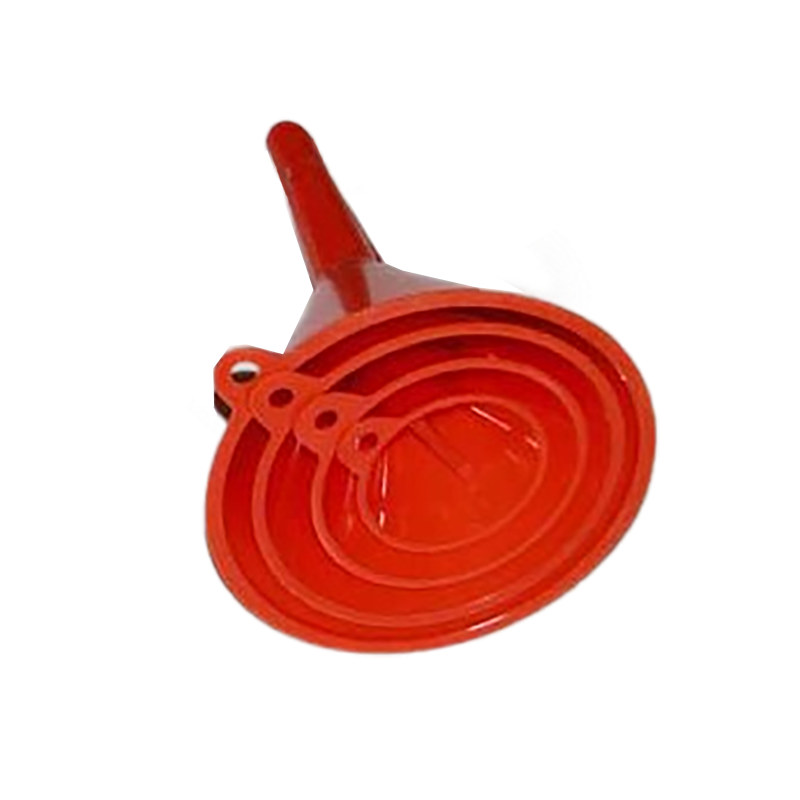
Professional environments usually demand robust equipment. Metal offers unmatched performance for demanding fluid transfers. However, you must also understand the handling challenges they introduce into your daily workflow.
Upgrading to metallic tools unlocks higher performance thresholds across multiple industries.
You must mitigate a few minor drawbacks when using metallic tools.
Every industry faces unique transfer challenges. You cannot use a universal approach when selecting your tools. We have broken down the primary criteria for three distinct professional environments. This framework will help you source the proper Funnels efficiently.
Kitchens require strict adherence to food safety protocols. You deal constantly with extreme heat, acidic ingredients, and strict sanitation laws.
Criteria: You need absolute food safety. You require high heat resistance. You also typically need wide-mouth designs to transfer chunky salsa or thick jams without clogging.
Recommendation: Stainless steel remains the gold standard here. It completely prevents the melting issues associated with hot jam and boiling water transfers. It ensures zero BPA leaching. You can also sanitize it perfectly between batches to prevent botulism risks.
Additive manufacturing and chemical labs rely on aggressive solvents. You work with toxic, sticky substances daily.
Criteria: You require ultimate solvent resistance. Isopropyl Alcohol (IPA) dissolves many cheap plastics over time. You need surfaces that easily shed sticky, uncured resin. You must also consider UV exposure, which degrades polymers rapidly.
Recommendation: Choose metal options paired with fine mesh filters. Uncured resin does not adhere strongly to polished steel. Furthermore, steel withstands aggressive IPA soaking for hours. Plastic tools turn cloudy, brittle, and eventually crack under identical chemical stress.
Garages handle diverse, highly viscous liquids. Mechanics move motor oil, toxic antifreeze, and harsh transmission fluids constantly.
Criteria: You need tools capable of handling high viscosity. You must decide between disposable systems or permanent fixtures. You must also meticulously manage the risk of cross-contamination. Mixing tiny amounts of coolant into engine oil causes catastrophic engine failure.
Recommendation: Heavy-duty plastic (HDPE) dominates this sector. Garages prefer dedicated, low-cost fluid stations. A mechanic can grab a cheap plastic tool specifically labeled for coolant, use it, and discard it if heavily soiled. However, high-end shops often install permanent metal fixtures for bulk oil dispensing systems.
| Application Area | Primary Challenge | Ideal Material | Key Benefit |
|---|---|---|---|
| Culinary/Canning | Boiling temperatures, food safety | Stainless Steel | No melting, BPA-free, easy sanitation |
| 3D Resin Printing | Harsh solvents, sticky resins | Stainless Steel | IPA resistant, resin wipes off cleanly |
| Automotive Fluids | Cross-contamination, high viscosity | HDPE Plastic | Cheap enough for dedicated fluid segregation |
Proper maintenance directly dictates how long your tools will actually serve you. You must match your cleaning protocols to the specific material. Applying the wrong cleaning method destroys your equipment prematurely.
You must follow strict best practices when stripping oils and resins from your tools. Metal forgives aggressive cleaning. You can soak stainless steel in pure Isopropyl Alcohol or harsh degreasers indefinitely. You can scrub it vigorously with stiff nylon brushes. The oils and resins release easily from the smooth surface.
Plastic requires gentle handling. You must address the severe risk of abrasive cleaners. Using heavy scouring pads on a polymer surface creates deep gouges. You should only use soft sponges and mild soapy water on polymer models. If you use harsh solvents on cheap plastics, the material will chemically break down and become permanently sticky.
Knowing exactly when to discard a compromised tool prevents workflow disasters. You should inspect your equipment weekly.
Plastic: You must discard polymer tools immediately when discoloration occurs. If the material turns cloudy or yellow, chemical degradation has begun. Deep scratches indicate bacterial harborage. If the once-flexible material suddenly feels stiff or brittle in your hands, throw it away. It will shatter during your next use.
Metal: Stainless steel rarely fails. However, you must monitor cheaper alloys for specific damage. Watch closely for rust forming along the interior joint seams. Rust indicates low-grade steel or damaged protective coatings. You should also replace the tool if severe denting restricts the internal flow rate. A crushed spout causes dangerous fluid backups and unexpected spills.
The choice between plastic and metal funnels hinges entirely on the thermal and chemical demands of your workflow. Both materials offer distinct advantages when deployed in their correct environments. Understanding their core limitations empowers you to build a safer, more efficient workspace. You can now confidently prevent chemical leaching, eliminate bacterial growth, and stop unexpected equipment failures.
A: Generally no. Standard plastic can easily warp, melt, or leach dangerous microplastics and chemicals when exposed to boiling liquids. Always use metal or specialized high-temperature silicone for transferring hot materials.
A: Uncured resin and heavy cleaning solvents like Isopropyl Alcohol degrade plastic severely over time. Metal funnels remain perfectly inert. They are much easier to wipe clean and never absorb the harsh printing chemicals.
A: High-quality 304 or 316 stainless steel funnels are highly rust-resistant. However, cheap tin or low-grade steel funnels may quickly oxidize if left wet or exposed to corrosive chemical materials.
A: Absolutely not. Even with rigorous scrubbing, microscopic surface pores will retain toxic automotive chemicals. You must always maintain strictly segregated tools for culinary and mechanical applications to prevent severe poisoning.


