+86-25-8470-5507


Views: 0 Author: Site Editor Publish Time: 2026-06-25 Origin: Site


Selecting the wrong material for a manual fluid transfer system carries high operational stakes. Fluid contamination happens frequently. Rapid equipment degradation follows closely. Severe safety hazards occur when operators ignore material compatibility. We must move beyond generic product descriptions. You need a rigorous framework for evaluating these choices. There is no universally superior material for every situation. The best choice depends strictly on chemical compatibility. Environmental stressors matter heavily. Regulatory compliance requirements also play a huge role. In this guide, you will learn to audit your fluids. We will explore various metals and plastics used in manufacturing. You will understand how internal seals dictate longevity. By aligning your pump’s construction with specific operational demands, you prevent catastrophic leaks. You protect personnel from chemical exposure. A dependable Hand Pump requires precise material matching to function safely over time.
Failing to match pump materials to your operating environment introduces severe risks. Operators often underestimate these dangers. Material incompatibility quickly compromises both personnel safety and system integrity.
Transferring flammable solvents requires specific grounding capabilities. Standard plastics cannot dissipate static electricity. This creates an extreme risk of static discharge. A spark in a solvent-rich environment leads to immediate explosions. You must follow ATEX directives for explosive atmospheres. Using non-food-grade materials for consumables presents another severe danger. Industrial plastics often leach toxic plasticizers into drinking water. Food processing facilities must rely on FDA-compliant materials to avoid massive health violations.
Chemical degradation causes unexpected mid-operation failures. Strong solvents will melt standard PVC bodies within hours. The plastic becomes sticky and eventually collapses. Pumping water through untreated cast iron induces rapid oxidation. The internal cylinder rusts quickly. The resulting iron oxide contaminates your fluid batch. It also seizes the mechanical piston. These failures halt production completely. Teams must scramble to clean up hazardous leaks. Operational downtime damages productivity and frustrates floor workers.
Operators sometimes source a single pump type for all fluids. This approach fails quickly. A mismatched material leads to rapid replacement cycles. The equipment degrades rapidly under incompatible chemical loads. You will face continuous equipment breakdowns. Replacing dissolved O-rings or rusted cylinders consumes critical maintenance hours. An inappropriate material forces you into a permanent cycle of emergency repairs. Proper material selection breaks this cycle.
Industrial applications frequently demand robust physical construction. Metals offer unparalleled impact resistance. They provide necessary structural rigidity for transferring thick fluids. However, each metal reacts differently to specific chemicals.
Stainless steel represents the peak of sanitary and chemical performance. Alloys like 304 and 316 contain chromium and nickel. These elements form a passive oxide layer. This layer prevents corrosion from aggressive chemicals.
Cast iron delivers exceptional durability for heavy industrial environments. It handles extreme physical abuse on busy shop floors. The material resists deformation under high mechanical stress.
Aluminum provides a middle ground between durability and portability. It weighs significantly less than cast iron. It naturally forms a protective oxide skin against atmospheric moisture.
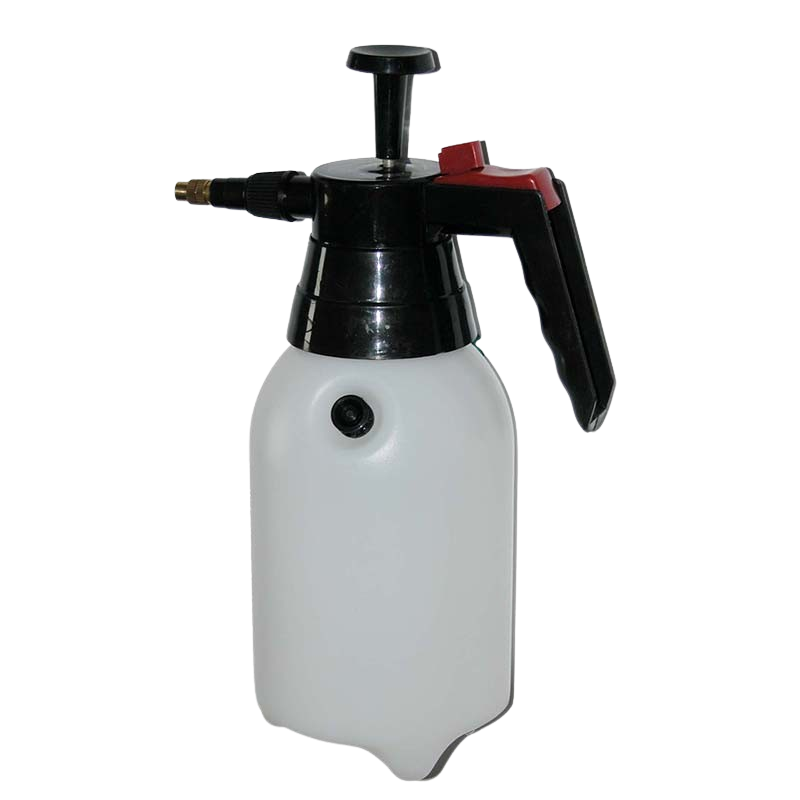
Modern composites solve complex chemical challenges. Traditional metals fail when exposed to harsh acids. High-grade plastics deliver absolute inertness. They offer excellent solutions for agricultural and chemical processing industries.
Polypropylene dominates the chemical transfer sector. It features a crystalline structure that resists many aggressive fluids. It remains structurally sound where metals quickly dissolve.
When standard plastics fail, engineers turn to advanced polymers. Nylon and Ryton withstand highly aggressive solvent attacks. They maintain dimensional stability under chemical stress.
Polytetrafluoroethylene provides almost universal chemical resistance. It ignores most known industrial chemicals. However, it presents unique manufacturing challenges.
Selecting the right materials requires systematic evaluation. You must align your equipment with three primary dimensions. Skipping any step guarantees eventual equipment failure.
The fluid’s aggressiveness dictates your starting point. You must evaluate the pH level immediately. Highly acidic fluids (like sulfuric acid) eliminate metals from consideration. Highly alkaline fluids rule out aluminum immediately. Viscosity plays an equally critical role. Thick, sticky fluids create massive internal suction resistance. Pumping cold gear oil requires serious leverage. This resistance often requires the structural rigidity of heavy metals. Plastics will bend or snap under extreme handle pressure.
| Fluid Type | Recommended Material | Materials to Avoid |
|---|---|---|
| Motor Oils & Lubricants | Cast Iron, Carbon Steel | Lightweight PVC (can crack) |
| Diesel & Light Fuels | Aluminum, Steel | Standard Plastics (static risk) |
| DEF (Diesel Exhaust Fluid) | Polypropylene, Stainless Steel | Carbon Steel, Aluminum |
| Strong Acids (Nitric, Sulfuric) | Polypropylene, PTFE | Cast Iron, Aluminum |
| Drinking Water | 304/316 Stainless Steel, Food-Grade PP | Untreated Cast Iron (rusts) |
Where you place the equipment matters. Environmental stressors destroy materials from the outside in. Extreme high temperatures will warp standard plastics. Freezing temperatures turn polypropylene brittle. Consider physical abuse levels. A busy mechanic’s shop features heavy tools and dropping hazards. Cast iron survives this abuse. A static, climate-controlled laboratory presents no such risks. Laboratory environments favor lightweight, highly resistant plastics.
Regulations often make the material choice for you. You must navigate ATEX certifications for explosive environments. ATEX guidelines strictly require conductive materials. You must effectively ground the pump body to Earth. Food processing facilities follow FDA and USDA compliance rules. Sanitary transfers demand 304 or 316 stainless steel. Specialized food-grade polymers also meet these requirements. Using uncertified materials voids facility insurance and risks immediate shutdown.
Even with correct body materials, implementation gaps cause systemic failures. Overlooking internal parts guarantees rapid leakage. Maintenance routines must match the material capabilities.
Many buyers focus entirely on the main body. They ignore the internal elastomers. This creates a dangerous blindspot. A stainless steel pump will still fail against aggressive chemicals. If you equip it with Buna-N (Nitrile) seals, the seals will dissolve. Acetone melts Nitrile into a sticky paste within minutes. An environment handling harsh solvents requires Teflon or Viton seals. A highly resilient body with incompatible seals leaks almost immediately.
Assess the repairability of your chosen equipment. Heavy-duty metal units typically feature robust, replaceable internal components. You can dismantle a cast iron pump easily. You simply replace the worn packing glands or pistons. This extends the lifespan indefinitely. Cheaper plastic alternatives are typically disposable. They employ sonic-welded seams or glued joints. Once the internal plastic piston wears down, you must discard the entire unit.
Facilities often struggle with equipment standardization. Managing multiple pump types creates operational friction. Workers might accidentally use a water pump for transferring acid. This cross-contamination ruins product batches. It also melts internal components. Some facilities counter this by stocking universally compatible units. Supplying PTFE-lined stainless steel everywhere solves the compatibility issue. However, this creates overkill for transferring basic motor oil. You must balance operational simplicity against practical material matching.
Mastering material selection protects your operations. You must prioritize safety and regulatory compliance first. Chemical compatibility naturally dictates your second step. Environmental durability and physical demands inform your final decision. By strictly following this shortlisting logic, you eliminate dangerous guesswork. Always consult a dedicated chemical compatibility matrix before making final decisions.
Your next step requires immediate action. Audit the specific fluids your facility transfers today. Check the specific Safety Data Sheets (SDS) for every chemical. Look at section 7 for handling requirements. Finally, request exact material specifications from your supplier. Ensure the body, internal seals, and valve seats match your exact fluid profile.
A: Generally, no. Standard plastics cannot be effectively grounded, creating a severe static discharge risk. Always use a groundable metal hand pump for fuels and flammable solvents.
A: Cast iron and carbon steel oxidize rapidly when exposed to moisture. For water or water-based fluids, stainless steel or polypropylene must be used.
A: They do not need to be the same material, but they must be equally chemically compatible with the fluid. A highly resilient pump body with incompatible seals will leak almost immediately.


