+86-25-8470-5507


Views: 0 Author: Site Editor Publish Time: 2026-06-27 Origin: Site


Traditional gravity-drain oil changes hide significant operational costs inside your shop. Technicians waste precious time staging heavy lifting equipment, wrestling stubborn underbody skid plates, and cleaning inevitable floor spills. This outdated method introduces unnecessary friction into a fundamental maintenance task. Today, modern commercial bays and serious DIY garages are transitioning rapidly toward dedicated fluid evacuation systems. By adopting top-tier extraction technology, you bypass the slow, messy reality of the open catch pan.
An Oil Drainer shifts fluid maintenance from a high-friction, multi-step chore into a streamlined, repeatable process. This operational upgrade directly impacts your turnaround time and drastically improves shop safety. You will learn exactly how these extraction systems eliminate bay bottlenecks, protect delicate engine components, and transform daily garage workflows.
Traditional fluid maintenance relies entirely on gravity. You lift the vehicle, remove the drain plug, and wait. This process sounds simple on paper. However, it creates multiple operational bottlenecks in practice. Every extra minute spent preparing a vehicle reduces your overall service capacity.
Consider the mandatory steps required before a single drop of fluid falls. Mechanics lose valuable hours every week to these preparatory tasks. They must carefully position hydraulic lifting arms under specific chassis pinch points. They hoist the vehicle into the air. They unscrew heavy, dirt-caked aerodynamic shields or thick protective skid plates. These preliminary steps consume significant time. Gravity draining remains inherently slow. You simply stand around waiting for the fluid to drip into the pan.
Common Mistake: Technicians often rush the final draining phase to save time. They replace the plug while fluid still drips rapidly. This leaves heavily contaminated, old fluid inside the crankcase.
Gravity draining introduces massive physical liability to the vehicle. Modern automakers frequently utilize lightweight aluminum oil pans. These components are notoriously delicate. Mechanics constantly thread steel drain plugs into these soft aluminum threads. One careless mistake easily cross-threads the pan. You must then replace the entire expensive assembly. Crush washers also degrade over time. Technicians frequently forget to replace them. The resulting slow leaks frustrate customers and damage your shop reputation.
Environmental hazards complicate daily shop management. Fluid drops splash violently against open catch pans. High-pressure streams often overshoot the basin entirely. Mechanics routinely slip on these dangerous, wet concrete floors. You waste precious operational hours scrubbing the workshop ground.
Cleanup demands massive amounts of shop rags. You constantly purchase heavy absorbent granules. These messy realities make traditional draining a highly inefficient endeavor.
Modern extraction technology solves these historical problems. An Oil Change Drainer completely re-engineers your approach to fluid maintenance. These systems centralize the mess, accelerate the timeline, and protect your technicians.
Top-down extractors operate entirely from above the engine bay. You simply insert a flexible, heat-resistant nylon tube straight down the factory dipstick channel. A hand pump or a direct shop-air connection creates an intense internal vacuum. Atmospheric pressure pushes the heavy fluid up the tube. It flows safely and directly into a sealed holding tank.
This method brilliantly eliminates the need for vehicle lifts. You never crawl underneath the chassis. You never touch dirty skid plates. The vehicle remains firmly planted on the ground. Mobile mechanics especially benefit from this specific advantage. They perform full services comfortably in tight residential driveways.
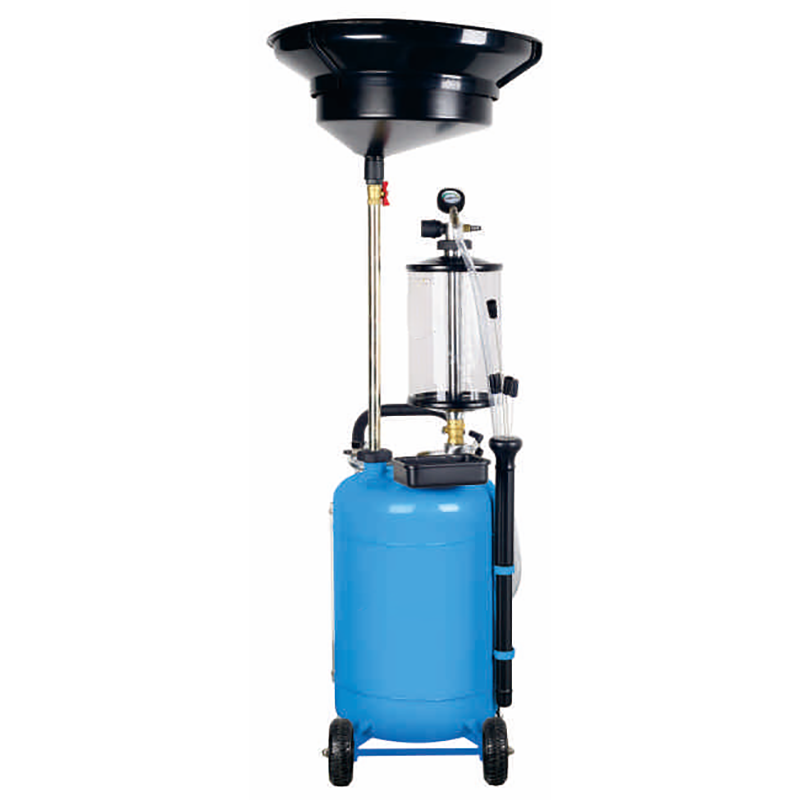
Professional bays heavily utilizing hydraulic lifts require different solutions. Upright rolling drainers serve these environments perfectly. These robust units feature high-capacity steel bodies mounted on heavy-duty casters. Mechanics easily position large, adjustable funnels directly beneath the drain hole.
The true genius lies in their closed-loop emptying systems. Traditional catch pans require dangerous secondary pouring into bulk drums. This transfer process guarantees massive spills. Modern upright models utilize pressurized self-evacuation valves. You simply connect a standard air hose. The tank automatically pushes the used fluid out through a discharge hose into your bulk storage drum. You completely eliminate secondary transferring spills.
Both top-down and upright systems allow profound workflow consolidation. The vacuum holds pressure independently. Mechanics can step away while the machine safely extracts the fluid.
Best Practice: Always monitor the transparent extraction tube. You will know exactly when the sump is empty once air bubbles replace the solid fluid stream.
Upgrading your fluid management strategy produces immediate, measurable results. You quickly realize tangible gains across multiple operational metrics. This equipment shifts maintenance from a bottleneck into a high-speed service.
Bay turnover rate improves instantly. Top-down extraction saves roughly fifteen to twenty minutes per vehicle. Bypassing the lift staging and skid plate removal generates massive time savings. Four daily extraction jobs yield over an hour of newly available service capacity. You can easily schedule an extra alignment or brake job every single day.
Labor efficiency rises noticeably alongside morale. Traditional maintenance requires exhausting physical gymnastics. Technicians avoid repetitive bending and squatting. They skip lifting heavy, sloshing catch pans chest-high to dump them. You systematically reduce significant physical fatigue across your entire team. Fresh mechanics work faster and make fewer critical errors.
Consumable savings add up remarkably fast. Shops stop buying endless bags of floor absorbents. You drastically reduce daily shop rag consumption. You buy fewer replacement drain plugs and crush washers. These small daily savings compound heavily over a busy operational year.
| Efficiency Metric | Traditional Gravity Method | Modern Extractor Method |
|---|---|---|
| Average Prep Time | 10 - 15 Minutes (Lifting, Panels) | 1 - 2 Minutes (Tube Insertion) |
| Physical Fatigue | High (Bending, Heavy Lifting) | Low (Standing, Ergonomic) |
| Spill Probability | High (Splash-back, Pouring) | Nearly Zero (Sealed Loop) |
| Concurrent Tasks | Impossible (Requires active monitoring) | Possible (Autonomous vacuum action) |
Compliance and disposal become utterly effortless. OSHA and EPA compliance guidelines strictly regulate open fluid containers. Open catch pans represent serious regulatory liabilities. Sealed extraction tanks securely store hazardous waste. They trap noxious fumes. They prevent accidental workshop spills during transport. Sealed tanks satisfy stringent environmental safety requirements instantly.
Despite widespread dealership adoption, the "Sludge and Residue" debate persists fiercely across automotive forums. Many traditional mechanics actively resist top-down extraction. We must examine the science behind modern engine fluids to understand the truth.
Traditional mechanics argue fiercely against top-down methods. They claim gravity draining effectively flushes heavy metal shavings outward. They firmly believe extractors leave thick, harmful sludge sitting permanently at the bottom of the pan. They assume a vacuum simply cannot lift heavy debris upward.
Modern synthetic chemistry debunks this outdated myth entirely. Advanced synthetic fluids utilize sophisticated chemical dispersants. Manufacturers engineer these premium fluids to hold microscopic contaminants in active suspension. Warm the engine slightly before extraction. You activate this chemical suspension. The vacuum pulls the fluid out alongside all suspended carbon and metal debris. Nothing settles at the bottom if you follow proper heating procedures.
Modern automakers actually anticipate this precise extraction method. European brands like Mercedes-Benz, BMW, and Volkswagen design their engines specifically for top-down dealership servicing. Their engineers design dipstick tubes deliberately. These metal guide tubes lead the extraction hose straight down to the absolute lowest sump point. A properly inserted tube evacuates the pan just as thoroughly as removing the bottom plug.
We must acknowledge real-world edge cases where gravity draining remains necessary.
Selecting the right unit requires careful operational consideration. You must match the equipment perfectly to your daily volume and specific workspace limitations.
DIY enthusiasts and mobile mechanics prefer small 5L to 9L tanks. These portable units fit easily inside crowded truck beds or small home garage cabinets. Commercial shops require massive 18-gallon to 20-gallon upright models. Heavy steel tanks handle intense daily volume without needing constant emptying. Always calculate your average fluid volume per job before selecting a tank size.
Your workspace environment dictates your ideal power source.
Material construction dictates equipment longevity. High-density polyethylene (HDPE) heavily resists harsh garage chemicals. It remains lightweight and highly durable against accidental drops. Steel constructions withstand aggressive, high-volume commercial environments. You must prioritize heat-resistant, non-kinking extraction tubes. Cheap plastic tubes quickly collapse under intense vacuum pressure when exposed to hot engine fluids.
| Feature Comparison | Portable HDPE Extractors | Upright Steel Drainers |
|---|---|---|
| Primary User | Mobile Mechanics / DIY | Commercial Bays |
| Evacuation Style | Top-Down Dipstick Tube | Gravity Funnel via Lift |
| Tank Emptying | Manual Pouring Spout | Pressurized Pneumatic Valve |
| Mobility | Hand-Carried | Heavy-Duty Casters |
Emptying the collected fluid matters immensely. Premium commercial units feature pressurized self-evacuation valves. You connect a standard air hose to physically push the old fluid out into a bulk tank. Manual pouring works fine for small DIY tanks. However, large commercial tanks demand pneumatic emptying mechanisms to prevent catastrophic workshop spills.
An extraction system transcends simple workshop convenience. It delivers a highly measurable upgrade to your workflow efficiency, safety standards, and overall bay profitability. You aggressively protect your technicians from severe physical strain. You protect your business from costly liability and environmental cleanup chores. The initial transition away from gravity draining pays immediate operational dividends.
Audit your most frequently serviced vehicles today. Check them thoroughly for top-down extraction compatibility. Review your daily appointment volume. Match your desired tank capacity directly to your actual daily output. Step away from the messy drain pan and embrace a cleaner, faster fluid management protocol.
A: No. It strictly requires a dipstick tube providing a straight, unobstructed path to the lowest point of the oil pan. Vehicles featuring electronic oil monitoring systems lack physical dipsticks entirely. Furthermore, high-performance engines utilizing complex oil pan baffles often block the extraction tube. These specific vehicles still require traditional bottom draining.
A: Yes. Most modern extractors safely evacuate transmission fluid, power steering fluid, and engine coolant. This incredible versatility makes them powerful, centralized fluid management tools. However, you must carefully manage cross-contamination if your local recycling facility requires strict separation of different chemical fluids.
A: Yes. Warm oil flows significantly faster and establishes a much stronger vacuum seal. Heating the engine ensures particulate matter and metal shavings remain actively suspended in the fluid for complete removal. However, avoid boiling-hot oil to prevent accidentally melting the plastic extraction tubes.


