+86-25-8470-5507


Views: 0 Author: Site Editor Publish Time: 2026-06-28 Origin: Site


Crawling under a vehicle to change engine fluid is a famously messy, labor-intensive chore. You inevitably face stubborn drain plugs, hot fluid splatters, and heavy lifting equipment. Top-side fluid extraction offers a modern, highly efficient alternative to this outdated process. For shop owners and serious DIY mechanics, choosing between a vacuum-based extractor and a traditional gravity drain goes far beyond simple convenience. This decision directly impacts your bay turnaround times, technician safety, and equipment return on investment. You need to know if this modern method actually performs as well as the old-school approach. This article demystifies the internal mechanics of fluid extraction systems. We objectively compare them against traditional methods to reveal the truth behind their performance. You will also get a practical, step-by-step framework for evaluating which specific system best fits your daily maintenance workload.
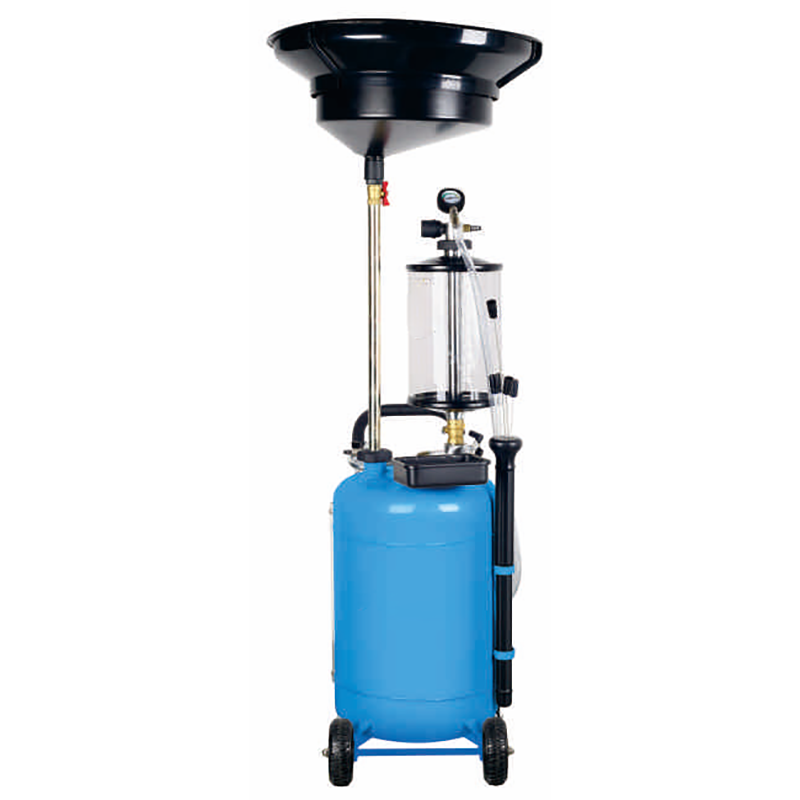
Vacuum extraction sounds highly complex, but it relies on fundamental atmospheric physics. The equipment creates a negative pressure environment inside the main sealed reservoir tank. When the internal tank pressure drops significantly below standard atmospheric pressure, nature attempts to equalize it. The heavy atmospheric pressure outside pushes down firmly on the fluid sitting inside the engine sump. Because the system is sealed, the fluid has only one escape route. It travels rapidly up through the inserted extraction tube. This elegant physical mechanism allows an Oil Drainer to work smoothly without relying on gravity.
Let us examine the core components making this top-side process possible. Understanding these parts helps you maintain the equipment properly.
Using the equipment correctly prevents common extraction errors. Follow this standard workflow for optimal, fast results.
A manual extractor uses a straightforward, hand-operated piston pump. You pump a handle repeatedly to build the necessary negative pressure. This setup works brilliantly for low-volume users. Mobile mechanics love them because they require absolutely no electricity or air hoses. Home DIYers also find them highly cost-effective and portable. However, they carry distinct limitations. Extraction times run slightly slower compared to powered commercial units. You also must expend physical effort. Large capacity diesel engines might require you to stop and re-pump midway through the process to maintain the vacuum.
A pneumatic Oil Drainer connects directly to your shop air compressor. It utilizes a Venturi valve to actively pull air out of the holding tank. This generates a continuous, highly powerful suction force. We strongly recommend these for commercial garages. They excel in B2B fleet maintenance and fast-paced, high-volume environments. A technician can hook up the air line, open the valve, and walk away to perform brake inspections. The limitations primarily revolve around your facility setup. They carry a higher upfront cost. You also must have a reliable, existing compressed air infrastructure in your workspace.
| Feature Metric | Manual Extractor Models | Pneumatic Extractor Models |
|---|---|---|
| Core Mechanism | Hand-operated piston pump | Venturi valve via compressed air |
| Ideal User Profile | DIYers, mobile mechanics, residential garages | Commercial shops, fleet maintenance yards |
| Extraction Speed | Moderate (highly dependent on user effort) | Exceptionally fast and continuous |
| Facility Infrastructure Needed | None required (fully self-contained) | Requires minimum CFM air compressor |
| Mobility Rating | Excellent (lightweight and portable) | Moderate (tethered to air supply lines) |
Mechanics constantly seek ways to improve operational efficiency. Extractors bypass several historically time-consuming steps. You do not need to position expensive hydraulic lifts. You avoid removing heavy, frustrating aerodynamic skid plates. You completely skip the delicate task of replacing drain plug crush washers. In a professional setting, bypassing these physical steps cuts total service time by up to 30%. Faster bay turnaround directly increases your daily service revenue. It also reduces physical strain on your technicians.
Gravity draining inevitably creates a dirty workspace. Mechanics frequently suffer minor burns from unpredictable hot fluid splashes. Stripped drain plug threads routinely cause expensive, time-consuming headaches. Furthermore, balancing a sloshing, heavy Oil Drain Pan on a rolling cart creates severe slip hazards. Top-side extraction systems eliminate these environmental risks entirely. The fluid moves securely from the engine block straight into a sealed container. Your shop floors stay spotless. Technician safety improves dramatically, boosting overall workplace morale.
Traditionalists often express a specific, recurring skepticism regarding extractors. They argue top-side pumps leave heavy metal shavings sitting permanently at the bottom of the sump. Let us address this concern using actual mechanical evidence. First, your engine filter actively captures dangerous suspended metal particulate. The filter successfully does its job long before you ever change the fluid. Second, heavy, non-suspended debris sitting at the absolute bottom often does not wash out via a standard gravity drain anyway. The drain hole sits slightly above the floor level on many modern vehicles. Therefore, the difference in debris removal remains entirely negligible. Independent studies consistently show extraction pulls out nearly identical fluid volumes compared to traditional gravity draining.
Despite the clear operational advantages, top-side extraction is not a universal magic bullet. You must understand specific vehicle compatibility limits. Automotive engineering constantly evolves. Many modern vehicles now lack traditional dipsticks entirely. Certain newer BMW, Audi, and Mercedes-Benz models rely exclusively on internal electronic sensors. You cannot insert a physical probe into an engine lacking a guide tube. In these specific cases, a top-side extractor becomes completely useless without highly specialized adapter fittings. Always verify the vehicle design before promising a rapid service turnaround to your customer.
Even with a standard dipstick tube present, internal geometry poses significant challenges. Engineers often design internal baffles to prevent fluid starvation during aggressive vehicle cornering. These complex baffles can physically block your downward probe. Some vehicles feature stepped pan designs. The probe might hit a shallow interior step rather than reaching the absolute lowest point. Additionally, uniquely angled dipstick entry points sometimes bend the probe away from the sump floor. If you cannot reach the true bottom, you accidentally leave old fluid behind.
Fluid temperature strictly dictates your extraction success. You face distinct risks at both extreme ends of the temperature spectrum. If the fluid runs too hot, the extreme ambient heat softens the nylon probe. A softened tube can collapse completely under intense vacuum pressure. In rare, extreme cases, a melted probe tip can break off inside the engine block. Conversely, cold fluid creates excessive, stubborn viscosity. The pump struggles immensely to pull thick, sludgy liquid upward against gravity. This leads to slow extraction failure. You must establish the ideal temperature window. Run the engine briefly to reach approximately 130°F (55°C). This specific target provides the perfect balance of low viscosity and material safety.
Selecting the proper equipment requires careful capacity evaluation. A unit perfect for a home garage will fail spectacularly in a bustling commercial shop. Match your tank size strictly to your primary vehicle types. If you exclusively service compact commuter cars, a 5L or 10L unit works perfectly. You can drain a standard four-cylinder engine effortlessly. However, heavy-duty diesel pickup trucks hold massive fluid volumes. Attempting to drain a Ford Powerstroke with a small 10L tank forces you to stop and empty the reservoir twice. For dedicated fleet maintenance, invest immediately in an 80L capacity tank. This robust size handles multiple large vehicles back-to-back without interruption.
Evaluate the holding reservoir materials very carefully before purchasing. Translucent, reinforced plastics offer a massive operational advantage for fluid visibility. You can see exactly how much you extracted at a mere glance. However, active commercial shops face extremely rough conditions. Tool carts bump into equipment daily. Heavy steel wrenches drop constantly. In these harsh environments, solid steel construction provides necessary, long-term durability. Some premium commercial models beautifully combine a robust steel base with a clear, heavy-duty acrylic measuring cup on top. This offers both ruggedness and precise visibility.
Many pragmatic mechanics want versatile, multi-use tools. You might plan to extract old brake fluid, power steering fluid, or burnt transmission fluid. You must ensure the internal O-rings and pressure valves are rated for highly corrosive chemicals. Standard cheap rubber seals degrade rapidly when exposed to automotive brake fluid. Look for high-grade Viton seals or specifically designated chemically compliant components. A degraded internal seal permanently ruins the vacuum capability of the machine.
Do not purchase new equipment blindly based on trends. We strongly recommend auditing the primary vehicles serviced in your garage first. Count exactly how many routine cars feature electronic dipsticks versus traditional tubes. Evaluate your daily service volume honestly. If you process twenty cars a day, invest immediately in a high-end pneumatic system. If you process three cars a week on weekends, a reliable hybrid model offers the absolute best balance of speed and cost.
Top-side extraction represents a massive leap forward in modern maintenance efficiency. When applied correctly, an Oil Drainer provides a highly efficient, scientifically sound alternative to the traditional gravity drain. It proves just as effective, provided it aligns directly with your specific vehicle types and shop setup.
We encourage buyers to look closely at their daily physical operations. Weigh the significant time saved in lift-setup, skid plate removal, and floor cleanup. Compare those saved labor hours directly against the upfront cost of the equipment. For most active professional shops, the initial investment pays for itself rapidly through increased bay turnover. For the DIY mechanic, it transforms a dreaded, dirty weekend chore into a fast, remarkably clean procedure. Audit your garage space, check your vehicle compatibility, and upgrade your fluid extraction process today.
A: Independent technical tests show vacuum extraction leaves nearly the exact same amount behind as a standard gravity drain. The overall margin of error is typically less than 0.2 liters. As long as the inserted probe successfully reaches the lowest point of the sump floor, you achieve a complete and thorough fluid extraction.
A: Yes, but you must exercise extreme caution regarding cross-contamination. Brake fluid is highly corrosive. You must ensure your extractor features chemically resistant seals, like premium Viton. We highly recommend using dedicated, separate extractors for different fluid types to prevent cross-contamination and prolong your equipment lifespan.
A: Loss of suction almost always stems from a compromised vacuum seal. The most common culprits include degraded internal O-rings, a kinked or cracked nylon extraction tube, or an improperly seated probe seal at the main connection joint. Inspect all rubber components carefully and ensure the pressure relief valve is fully closed.
A: Yes, you will absolutely still need one. Many vehicles feature bottom-mounted filters. You inevitably spill residual fluid when unscrewing these filters, necessitating a standard Oil Drain Pan to catch the mess. Furthermore, you need a reliable backup method for servicing modern vehicles lacking a traditional dipstick tube.


