+86-25-8470-5507


Views: 0 Author: Site Editor Publish Time: 2025-12-04 Origin: Site


Grease guns are essential tools in various industries, particularly for ensuring the proper lubrication of equipment. These tools allow users to apply a precise amount of grease to machinery parts, such as bearings, joints, and gears, enhancing their longevity and efficiency. This article will explore the different types of grease guns, their applications, benefits, and the importance of using the right grease gun for specific tasks.
A grease gun is a mechanical device designed to apply grease to lubricate bearings, hinges, and other moving parts that require regular maintenance. By ensuring proper lubrication, grease guns help prevent wear and tear, reduce friction, and increase the performance and lifespan of machinery. Grease guns come in various types, including manual, pneumatic, and battery-powered options, each suited for specific tasks and environments.
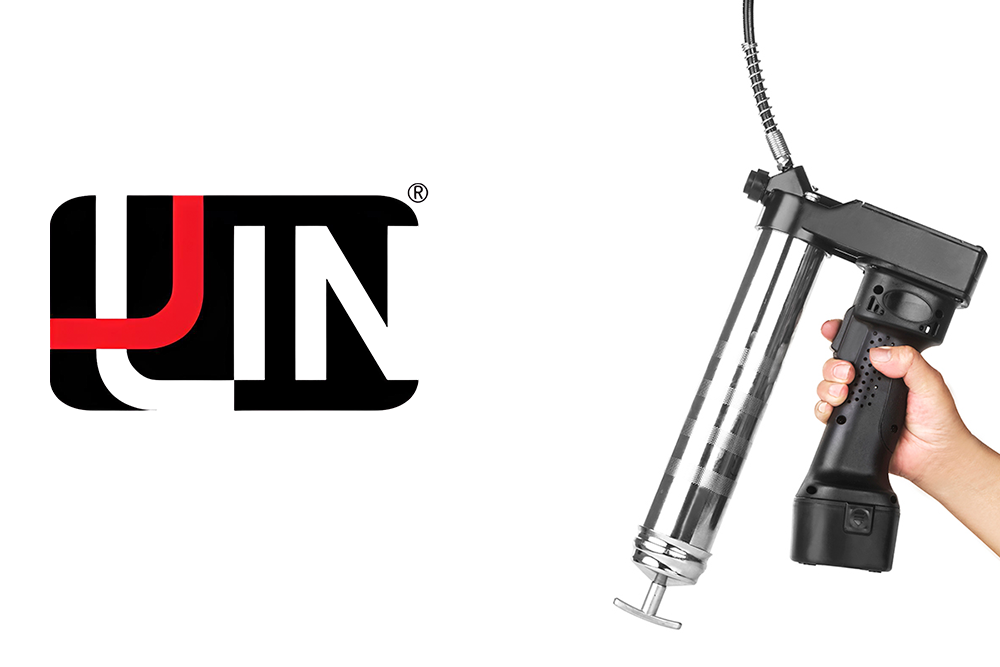
A lever grease gun is one of the most common types used for applying grease. It is known for its durability and control over the amount of grease dispensed. Lever grease guns are ideal for heavy-duty applications, particularly in industrial settings or for large machinery. They operate by using a lever action to pressurize the grease and force it through the nozzle.
Applications: Used for high-pressure lubrication, particularly in industrial machinery and construction equipment.
Advantages: Offers controlled lubrication, perfect for high-demand tasks and heavy machinery.
The push-type grease gun is a more compact and user-friendly option. It is designed for ease of use in tight spaces and for one-handed operation. This type of grease gun is often preferred for quick, controlled lubrication during automotive maintenance or small-scale workshop tasks.
Applications: Ideal for small maintenance tasks, automotive applications, and situations requiring tight-space operation.
Advantages: Lightweight, easy to handle, and perfect for tight spaces.
A pistol grip grease gun offers the comfort and ease of use that many professionals require for continuous use. It is designed to be ergonomically friendly, allowing for prolonged use without straining the hand.
Applications: Used for general workshop tasks and automotive maintenance, particularly in areas that require frequent lubrication.
Advantages: Ergonomic design for comfort, making it suitable for frequent or prolonged use.
Pneumatic grease guns are powered by compressed air, allowing for rapid and efficient grease application. These guns are ideal for high-volume tasks where manual effort might not be sufficient, such as in large factories or automotive shops.
Applications: Suited for high-volume tasks in industrial or automotive settings.
Advantages: High efficiency and speed, reducing operator fatigue.
The cordless battery grease gun is a modern solution for professionals who need a high degree of mobility. Powered by rechargeable batteries, these guns offer flexibility without the constraints of cords or air hoses.
Applications: Best for mobile applications, automotive shops, or field work where power sources are limited.
Advantages: Portable, efficient, and easy to use in remote locations.
Grease guns are used in a wide variety of industries to ensure that machinery operates smoothly. Below are some common applications:
Heavy machinery often operates under demanding conditions. Regular lubrication with grease guns helps reduce friction in bearings, preventing excessive wear and tear. This is crucial for maintaining the functionality of bulldozers, cranes, and other large equipment.
Automotive shops frequently use grease guns for lubrication tasks, including greasing wheel bearings, suspension components, and other parts that require regular maintenance to ensure optimal performance.
In agricultural operations, grease guns are used to lubricate equipment like tractors, harvesters, and plows. Ensuring that these machines are properly greased helps them function efficiently in the field, reducing downtime due to maintenance issues.
Factories and warehouses use grease guns to maintain the smooth operation of conveyor belts, motors, and other essential machinery. Proper lubrication prevents rust, reduces friction, and helps avoid costly repairs due to wear and tear.
A grease gun ensures that the right amount of lubricant is applied to each part, which is essential for optimal performance. Unlike manual methods, grease guns allow for precise control over the quantity of grease used, reducing the risk of over-lubrication or under-lubrication.
By applying consistent lubrication, grease guns help extend the lifespan of equipment. This is particularly important in industries where machinery operates under heavy loads or in harsh environments.
Preventative maintenance with grease guns can help avoid expensive repairs by reducing wear on moving parts. Regular lubrication helps machinery run smoothly, preventing breakdowns and improving the overall efficiency of the equipment.
Using a grease gun increases the efficiency of the lubrication process. With the right tool, operators can lubricate equipment quickly and effectively, reducing downtime and increasing productivity in industrial or automotive settings.
A grease gun works by applying grease to a fitting or bearing under pressure. The gun is typically loaded with a grease cartridge, which is then forced through the nozzle by a pump mechanism. Depending on the type of grease gun, this pressure is generated manually (as in a lever or push-type grease gun), pneumatically (using compressed air), or electrically (with a battery-powered grease gun).
The process involves the following steps:
Loading the Grease Cartridge: A grease cartridge is placed inside the gun, ready to be used.
Pressurizing the Grease: Depending on the type of grease gun, the grease is pressurized manually or using air or electricity.
Applying the Grease: The nozzle is attached to the grease fitting, and the grease is applied with controlled pressure.
Maintaining Grease Flow: The operator controls the amount of grease dispensed by adjusting the pressure or speed at which the gun operates.
While grease guns are essential tools, they also require proper maintenance to ensure they continue to function effectively. Regular checks for leaks, wear, and tear on the gun's components are necessary. Additionally, operators should always follow safety guidelines to prevent accidents, including wearing protective gloves.
A grease gun applies grease under pressure to moving parts, ensuring proper lubrication and reducing friction. This helps prevent wear and tear on equipment and extends the life of machinery.
A lever grease gun or pneumatic grease gun is often the best choice for heavy machinery because of their ability to deliver high-pressure grease to large equipment bearings.
Yes, a cordless grease gun is an excellent choice for automotive maintenance, as it allows for flexibility and mobility without the need for an external power source.
A push-type grease gun is ideal for tight spaces due to its compact design and one-handed operation. It is perfect for small maintenance tasks in automotive or agricultural settings.
The frequency of lubrication depends on the type of equipment, its usage, and the manufacturer's recommendations. However, regular checks should be made to ensure that the machinery remains properly lubricated.


