+86-25-8470-5507


Views: 0 Author: Site Editor Publish Time: 2026-07-01 Origin: Site


Spills during liquid transfer are rarely just a simple mess to wipe up. They represent wasted material, serious safety hazards, and immediate compliance violations in demanding industrial or laboratory environments. You often see standard transfer tools fail due to airflow blockages causing dangerous burping. Mismatched pour rates and unstable container interfaces also contribute heavily to these hazardous accidents. Our objective today is to break down the mechanical engineering behind an effective Anti Spill Funnel. We will evaluate different categories based on specific automotive, laboratory, and industrial applications. You will discover a clear framework for selecting the exact spill-prevention tool you need for your daily workflow. By understanding the fluid dynamics involved, you can better protect your team. You will also maintain strict regulatory compliance effortlessly while reducing expensive material waste across your operations.
Standard liquid transfer tools overflow primarily because they trap air inside the receiving container. The rising fluid compresses the trapped air inside the bottle or engine block. It eventually forces its way back up through the narrow spout. This violent release disrupts the liquid flow entirely. It causes dangerous splashing and unpredictable spills over your workspace. A specialized Funnels system solves this physical bottleneck perfectly. Advanced engineering designs utilize internal venting channels alongside breather tubes. Some units feature ribbed exterior spouts. These engineered pathways allow displaced air to escape smoothly around the fluid column. The liquid pours steadily into the tank without interruption.
Common Mistake: Pouring too quickly into a narrow neck negates the benefits of breather tubes. Always maintain a steady, moderate pour rate to allow the air channels to function properly.
Old friction-fit methods present severe operational risks. They easily tilt, wobble, or slip out during heavy, high-volume pours. Modern anti-spill solutions rely heavily on secure physical attachments. Threaded adapters lock directly onto the filler neck of the container. Locking collars clamp down firmly over the opening. Rubberized gaskets create a temporary, airtight seal. They ensure the transfer tool stays rigidly upright under the weight of heavy fluids. You can pour confidently without needing a second pair of hands to hold the base steady.
Advanced features elevate basic pouring tasks into precise fluid management operations. Built-in shut-off valves give you absolute control over the liquid volume. Splash guards deflect sudden pressure surges safely back into the main bowl. Fluid-stoppers let you halt the flow instantly mid-pour. You can seal the bottom of the spout before dangerous overfilling occurs. This clever mechanism lets you lift a partially full bowl away from the engine bay cleanly. You never drop residual fluid across hot exhaust manifolds or clean laboratory benches.
Mechanics face unique challenges when refilling complex vehicle cooling systems. You must burp trapped air completely from the cooling lines. Hidden air pockets cause severe engine overheating and catastrophic water pump failure. A dedicated automotive Anti Spill Funnel attaches tightly to the radiator neck. It effectively becomes the highest point in the entire cooling system. As the engine runs and the thermostat opens, trapped air bubbles push up into the fluid basin safely. Modular radiator cap adapters fit diverse vehicle makes easily. Included fluid-stoppers allow clean, drip-free removal when you finish the job.
Laboratories handle highly hazardous chemical waste continuously. Open transfers risk extreme toxic exposure to researchers. EHS guidelines strictly regulate these sensitive environments. You absolutely need features critical for strict EPA and OSHA compliance. Latching lids prevent dangerous chemical vapor release into the room. Vapor gaskets seal the collection drum tightly between active pours. Grounding wires are vital during flammable solvent transfers. They dissipate static electricity safely into the floor. This vital feature prevents catastrophic sparks and deadly laboratory fires.
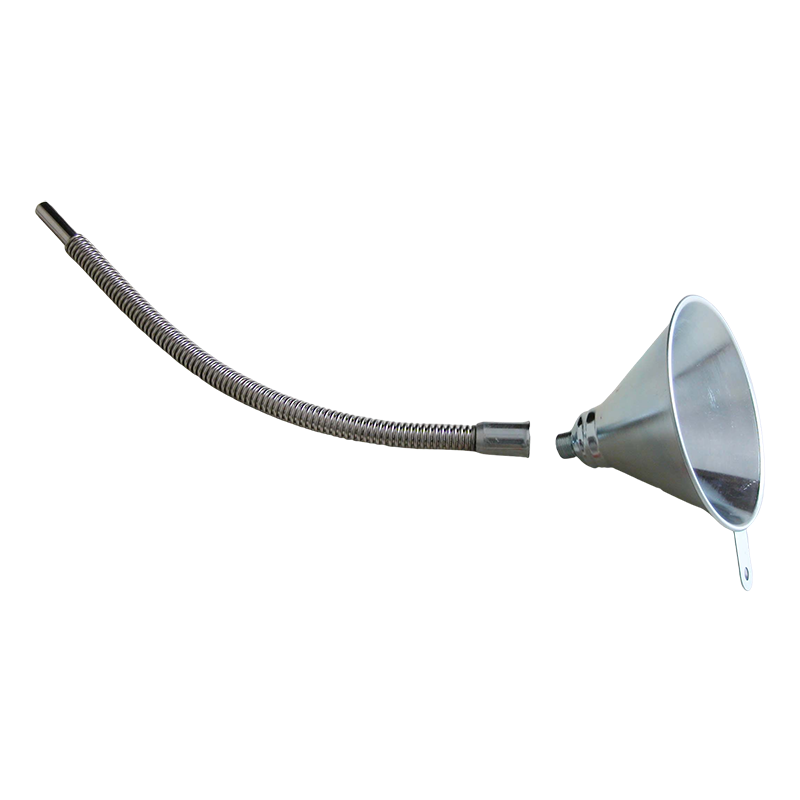
Heavy machinery requires handling high-viscosity fluids like thick gear oils. Industrial hydraulic fluids demand robust, high-capacity transfer equipment. Wide-mouth bowl designs accommodate fast pouring from heavy five-gallon pails. Extended flexible spouts reach deep into crowded, complicated engine bays. You need strict color-coding systems for busy industrial environments. Red handles might indicate hydraulic oil exclusively. Yellow tooling signifies heavy gear lube. This intuitive visual system prevents costly, irreversible cross-contamination inside expensive machinery.
Industry Application Comparison Chart
| Industry | Primary Fluid Type | Key Anti-Spill Feature | Primary Risk Mitigated |
|---|---|---|---|
| Automotive | Coolant, Motor Oil | Threaded Adapters, Fluid Stoppers | Air pockets in cooling systems, hot engine spills |
| Laboratory | Chemical Waste, Solvents | Latching Lids, Grounding Wires | Toxic vapor release, static electrical fires |
| Industrial | Hydraulic Fluid, Gear Lube | Wide Mouth, Color Coding | Cross-contamination, slow throughput overflows |
Your material choice directly affects immediate safety and long-term tool lifespan. Standard commercial plastics warp or melt when exposed to harsh industrial solvents. High-Density Polyethylene (HDPE) handles corrosive laboratory chemicals beautifully without degrading. Stainless steel works best for highly flammable liquids or extreme heat applications. Chemical reactivity always dictates your initial material selection. A chemically degraded spout introduces microscopic plastic particles directly into your clean fluid lines. Always consult your facility safety guidelines before introducing new plastic tools into chemical environments.
You must match the bowl capacity directly to your specific fluid viscosity. Thick gear oils flow very slowly at room temperature. A narrow spout creates an immediate physical bottleneck. The fluid backs up rapidly into the upper bowl. It eventually overflows the rim onto the shop floor. Measure the receiving port diameter carefully. Select a spout slightly smaller than the port opening. This calculated gap ensures maximum liquid throughput without restricting the displaced air escaping from the tank below.
Best Practices for Throughput Optimization:
Basic water transfers easily tolerate simple open tools. Hazardous materials require entirely different, heavily regulated standards. Closed-system safety funnels become legally necessary under specific workplace conditions. Local Environmental Health and Safety (EHS) guidelines govern these strict rules comprehensively. Review your workplace Safety Data Sheets (SDS) carefully. They will specify clearly if closed-system vapor locking is mandatory for your specific chemicals. Ignoring these strict compliance standards leads to massive regulatory fines.
Technicians often complain bitterly about initial setup times. Secure threaded attachments do take slightly longer to configure than older tools. Rushing the job leads to dangerous friction-fit bypasses. Standardizing your daily toolsets reduces this workflow friction significantly. Store specific modular adapters directly next to their designated fluid drums. Quick-disconnect fittings speed up the assembly process considerably. When workers realize they spend zero time cleaning up accidental spills, their adoption rates increase dramatically.
Busy maintenance shops lose proprietary adapters constantly. A highly specialized Funnels system becomes entirely useless without its matching locking collar. We strongly recommend purchasing comprehensive kits featuring standardized, easily replaceable components. Create a dedicated pegboard shadow outline for each individual adapter piece. This simple visual inventory system alerts your team immediately when crucial pieces vanish from the workstation. Standardization across the entire facility prevents frustrating compatibility mismatches during critical repairs.
Strict cleaning protocols maintain your fluid integrity perfectly. Dirty tools compromise the next transfer operation completely. A poorly wiped spout introduces abrasive dirt or incompatible chemicals into sensitive hydraulic systems. Use appropriate, non-reactive cleaning solvents for daily maintenance. Lint-free wipes prevent microscopic fiber contamination. Multi-piece units require complete disassembly for thorough internal cleaning. Pay special attention to the hidden threads and internal shut-off valves where old fluids hide.
The industry is transitioning away from viewing fluid transfer tools as generic commodities. We now treat them as critical safety and operational efficiency tools. An advanced spill prevention system only delivers strong returns if it matches your specific fluid type. You must align the container interface and operational compliance requirements perfectly. Evaluate your current setup today to eliminate hazardous waste. Follow these targeted steps to upgrade your facility:
A: Air gets trapped inside the receiving container. The rising liquid blocks the only exit route. Pressure builds until the air violently forces its way up through the spout. These rising air bubbles disrupt the incoming liquid stream, causing sudden splashing and dangerous overflows.
A: No. Standard automotive plastics often degrade rapidly when exposed to harsh laboratory solvents. Furthermore, they completely lack the vapor-locking lids and grounding mechanisms required for chemical safety and strict EHS compliance.
A: Always use appropriate, non-reactive cleaning solvents tailored to the previous liquid. Wipe down the interior using strictly lint-free cloths. For complex tools featuring valves or threaded adapters, completely disassemble the unit to clean hidden crevices effectively.
A: No. While they drastically reduce accidental transfer spills, EHS regulations typically still mandate secondary containment. You must maintain spill pallets or absorbent mats as a necessary failsafe against catastrophic container failure.


