+86-25-8470-5507


Views: 0 Author: Site Editor Publish Time: 2026-07-02 Origin: Site


Proper funnel maintenance rarely earns a spot on strategic priority lists. Yet, fluid cross-contamination remains a primary culprit behind mechanical failure in professional shop environments. Poorly maintained equipment introduces massive operational friction daily. Continuous reliance on cheap disposable options also spikes environmental waste and compliance risks. We often overlook how simple transfer tools dictate long-term hardware longevity. Incompatible chemical mixing degrades engine seals and ruins expensive internal components.
This guide unpacks standard cleaning protocols to safeguard your machinery against premature wear. We will evaluate whether a Reusable Funnel makes sense in mixed-fluid setups. You will learn actionable frameworks for standardizing routine maintenance across your workspace. We also cover smart procurement strategies to protect broader hardware investments. Read on to master fluid transfer hygiene, prevent cross-contamination, and reliably extend overall tool life.
Routine fluid transfers seem completely harmless. However, residual fluid films left on unprotected surfaces attract airborne silica, workshop dust, and microscopic metal shavings. Technicians frequently leave unwashed transfer tools on open benches. Introducing these collected particulates into a closed hydraulic or combustion system accelerates wear instantly. Furthermore, mixing incompatible chemicals creates severe operational hazards. Combining trace amounts of brake fluid into a motor oil reservoir alters lubricity. This neglect often nullifies manufacturer warranties and triggers costly rebuilds.
Establishing clear success criteria for hygiene eliminates ambiguity. A fully clean transfer tool should leave zero residue when wiped down. You should test it using a clean white shop towel. It must emit no strong chemical odor from previous fluids. If it smells like gear oil, it still harbors gear oil residue. These strict standards ensure safe operation across critical machinery.
Operators frequently debate the merits of disposable versus reusable equipment. Disposable paper cones eliminate cross-contamination entirely. However, they fail miserably in high-volume or heavy-viscosity scenarios. A rapid-pour application demands rigid, stable equipment. A commercial-grade Reusable Funnel is required for real operational efficiency. Upgrading to sturdy equipment mandates strict, uncompromising maintenance compliance.
Modern workshops tackle hygiene through two primary philosophies. Each approach carries distinct advantages depending on your spatial constraints and chemical diversity. Let us evaluate both frameworks to determine the best fit for your daily operations.
This method involves assigning specific, color-coded tools for exact fluid types. You might use red for transmission fluid and blue for engine coolant. Visual cues prevent accidental mixing during busy shifts.
Some mobile mechanics or small-footprint shops use a single high-quality tool for various non-reactive fluids. They rely heavily on cleaning rather than separation.
Below is a comparative chart detailing how these strategies stack up against each other in real-world environments.
| Strategy Type | Contamination Risk | Storage Footprint | Maintenance Burden | Ideal Environment |
|---|---|---|---|---|
| Dedicated (Color-Coded) | Extremely Low | High | Low (Basic Wipe-down) | Large Dealerships, Industrial Plants |
| Universal (Multi-Use) | Moderate to High | Low | High (Solvent Stripping) | Mobile Repair Trucks, Home Garages |
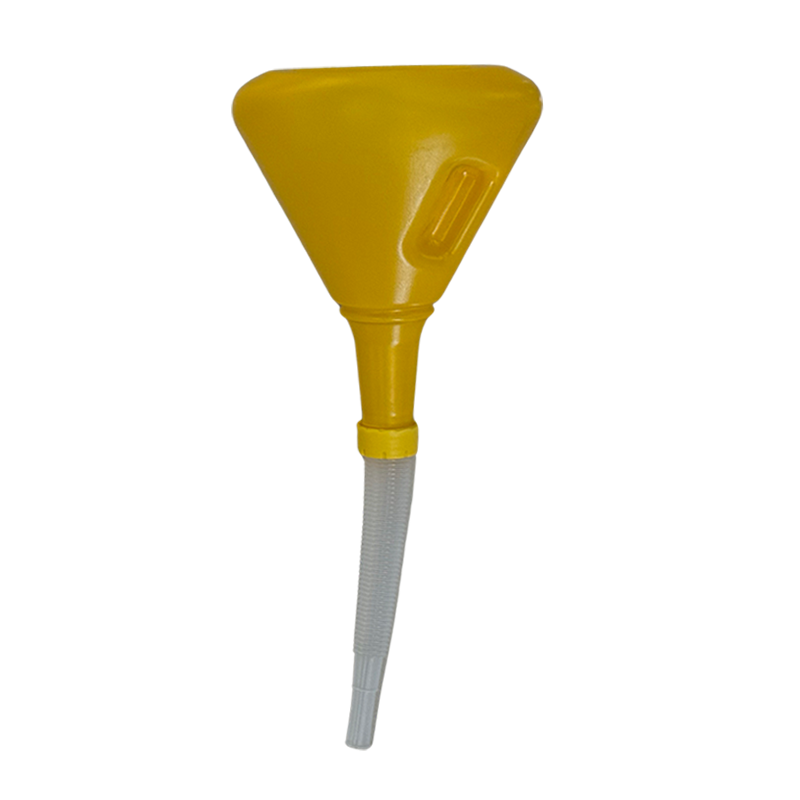
Applying the wrong cleaning agent ruins plastics and wastes valuable time. Different chemical compounds require specific neutralization techniques. Standardizing these exact steps prevents technicians from guessing how to clean their tools.
Heavy gear oils, synthetic motor oils, and hydraulic fluids cling stubbornly to side walls. They require aggressive degreasing.
Antifreeze and water-soluble cutting fluids leave a sticky, sugary residue. Solvents do not break this down well.
Epoxies, fiberglass resins, and harsh industrial acids demand immediate action before curing begins.
Not all plastics survive harsh workshop chemicals. Procurement teams must evaluate material composition and geometric design before purchasing bulk equipment. A cheap tool costs more in wasted cleaning solvents over its shortened lifespan.
Choosing the correct foundational material dictates how long a tool will survive aggressive cleaning.
The physical shape of your equipment dictates how easily it gives up old fluid.
Cleaning protocols fall apart entirely if storage methods fail. A pristine tool placed on a dirty workbench immediately becomes contaminated.
Cleaning your equipment is useless if it gets stored open on a dusty shelf. Even microscopic oil residue acts as a powerful magnet for airborne particulates. Grinding dust, paint overspray, and sawdust will coat the interior overnight. When the technician uses it the next morning, they push that abrasive dust directly into the engine block.
Workshops must implement physical barriers against ambient contamination. You should adopt several specific storage practices.
Repeated use of aggressive chlorinated solvents creates hidden dangers. Spraying harsh brake cleaner on lower-grade PVC or ABS plastics extracts their plasticizers. This chemical reaction causes rapid embrittlement. The material will develop micro-cracking along stress points. Eventually, you will face catastrophic structural failure during use, spilling hot fluids across the floor.
Knowing when to throw away degraded equipment protects your workflow. Shops must balance the cost of cleaning solvents against the cost of a brand-new tool.
Managers should audit current inventory quarterly. You must discard any items exhibiting heavy discoloration. Look closely for deep surface scoring. Deep scratches harbor stubborn bacteria and trap active chemicals permanently. If a plastic spout demonstrates brittle flexibility or crunches when squeezed, discard it instantly.
Future purchasing decisions should prioritize hygiene over initial cost savings.
Effective funnel maintenance operates as a critical micro-process. It actively safeguards your expensive macro-investments from premature wear. Operations drastically reduce the unseen costs of hydraulic and engine contamination by treating transfer equipment properly. You must stop viewing these tools as disposable afterthoughts. They are calibrated fluid-transfer devices requiring respect.
Standardizing your workshop's approach guarantees predictable outcomes. You can choose rigorous solvent-stripping protocols for a multi-use setup. Alternatively, you might deploy a strict color-coded dedication system for high-volume bays. Either path ensures strict chemical compliance and massive equipment longevity. Audit your storage cabinets today, discard scored plastics, and establish immediate wipe-down habits to protect your machinery.
A: Yes, but with strict caveats. Most high-quality HDPE funnels can withstand brief exposure to non-chlorinated brake cleaner. You must wipe them dry immediately. However, prolonged soaking or using aggressive solvents on cheap, thin plastics causes rapid embrittlement. This leads to structural cracking during your next pour.
A: Corrugated spouts cannot be guaranteed 100% clean due to their deep ridges. The best method involves capping the bottom entirely. Fill it with a strong solvent or degreaser, cap the top, and agitate it vigorously. For critical mechanical systems, you should avoid corrugated tools altogether.
A: Professionally, it is highly discouraged. Even trace microscopic amounts of coolant in engine oil can cause bearing damage or fluid gelling. If unavoidable, the tool must be aggressively stripped using strong solvents. You must dry it perfectly with compressed air before crossing fluid types.


