+86-25-8470-5507


Views: 0 Author: Site Editor Publish Time: 2026-08-05 Origin: Site


Micro-spills, vapor evaporation, and transfer inefficiencies quietly drain resources across industrial and laboratory settings. A daily material loss of just one or two percent during routine fluid or powder transfers compounds into significant financial deficits over a fiscal year. Relying on makeshift or non-specialized transfer methods directly causes product loss, inflates hazardous waste disposal costs, and exposes facilities to severe regulatory fines from agencies like OSHA and the EPA due to open-container violations. Engineered Funnels serve as a critical point-of-transfer containment system. Upgrading to purpose-built transfer equipment shifts the perspective from viewing these devices as basic utility tools to recognizing them as measurable assets for loss-prevention, worker safety, and atmospheric protection.
Waste Reduction Mechanics: Engineered funnels minimize waste through targeted load-out accuracy, wider body designs, splash reduction, and vapor containment.
Compliance & Safety: Self-closing and specialized safety funnels directly address environmental compliance by eliminating open-container vapor emissions and the risk of ignited vapors.
Application-Specific Selection: Choosing the right material transfer funnel depends entirely on viscosity, chemical compatibility, and volume requirements (e.g., lab-scale solvents vs. bulk industrial powders).
ROI Justification: The initial capital expenditure for industrial-grade funnels is rapidly offset by reduced material loss, faster operational throughput, lower cleanup labor costs, and mitigated regulatory risks.
Establishing baseline metrics for successful material transfer requires targeting zero spillage, zero vapor loss, minimal transfer time, and cleaner work areas. When operations fail to meet these criteria, the resulting inefficiencies create cascading financial and operational burdens. Facility managers often overlook the cumulative impact of minor drips and splashes at the transfer station. However, tracking these losses over a 12-month period reveals a stark reality regarding operational waste.
Losing a small fraction of material during each bulk transfer seems negligible in the moment. However, a consistent 1-2% daily material loss over a fiscal year translates into massive volume deficits. If a facility transfers hundreds of gallons of expensive solvents or high-value chemical powders daily, that small percentage equals thousands of lost units annually. We see this constantly in chemical processing plants where operators use standard, narrow-neck funnels to transfer high-viscosity fluids, resulting in residual material clinging to the sides or spilling over the edges.
Beyond the direct loss of the product itself, hidden operational costs quickly accumulate. Consider the following hidden expenses associated with poor transfer practices:
Labor hours spent on spill cleanup divert workers from productive tasks, reducing overall shift output.
Facilities must constantly replenish spill-containment consumables like sorbents, mats, and chemical neutralizers.
Corrosive or abrasive materials spilled onto surrounding machinery accelerate equipment degradation, leading to premature maintenance requirements.
Increased hazardous waste disposal fees occur when spilled materials mix with cleaning agents, creating a larger volume of regulated waste.
Open chemical waste containers present severe regulatory risks. Guidelines established by the EPA, specifically under the Resource Conservation and Recovery Act (RCRA), mandate strict containment protocols for hazardous waste. Leaving a container open during slow transfers or using inadequate funnels that do not seal properly constitutes a direct violation. Inspectors actively look for open funnels resting on waste drums, as this is a common compliance failure point on the factory floor.
Volatile organic compounds (VOCs) evaporating during open transfers represent invisible material waste. More importantly, these emissions create an environmental hazard and a severe safety risk for lab workers. Continuous exposure to escaping vapors compromises the breathing zone, while the accumulation of flammable gases introduces severe fire and explosion risks into the facility. Proper containment at the point of transfer is the only reliable method to mitigate these atmospheric hazards.
Modern transfer equipment incorporates specific engineering features that directly correlate to waste reduction. A specialized Material Transfer Funnel mechanically controls the flow and containment of substances to eliminate common failure points. By addressing the physical dynamics of pouring, these devices ensure that 100% of the intended material reaches the receiving container.
Wide-mouth and wider-body designs make waste addition significantly easier. This expanded target area reduces physical operator strain when lifting heavy source containers and minimizes the risk of external spillage caused by misalignment. Operators can pour confidently without needing pinpoint precision, which is especially important when handling 5-gallon pails or heavy powder sacks.
Fluid dynamics play a major role in preventing waste. Standard funnels often create a vapor lock, where displaced air from the receiving container has no escape route, causing the liquid to "glug" and splash violently. Engineered funnels feature integrated venting mechanisms that allow air to escape smoothly. This prevents pressure lock, eliminates splashing, and ensures a continuous, controlled flow rate. We frequently observe that upgrading to vented funnels cuts transfer times in half while completely eliminating splash-back.
To combat invisible waste, advanced funnels utilize latching lids and heavy-duty gasket seals. These components lock down the transfer point when not actively in use, preventing evaporation and keeping solvent waste from escaping into the local atmosphere. By eliminating open chemical waste containers entirely, these sealed systems remove the risk of ignited vapors in volatile environments, drastically improving facility safety.
The mechanics of a good seal rely on industrial-grade elastomers like Viton or EPDM, depending on the chemical being handled. When an operator finishes a pour, closing the latch engages the gasket against the funnel rim, creating an airtight barrier. This simple mechanical action is the primary defense against VOC emissions in a busy laboratory or production area.
Accidental overfills during rapid pouring account for significant material loss. High-quality funnels incorporate internal baffling to break the momentum of heavy fluid pours, reducing splash-back. Extended stems ensure the material is delivered deep into the receiving container, while integrated fill-level indicators provide visual cues to operators, allowing them to stop pouring before the container overflows.
Internal baffles redirect fluid energy downward, preventing upward splashing.
Extended stems bypass the neck of the receiving drum, reducing turbulence.
Flame arresters, often built into the stem, dissipate heat and prevent external ignition sources from reaching the drum contents.
Debris screens catch solid particulates, preventing contamination of the transferred liquid.
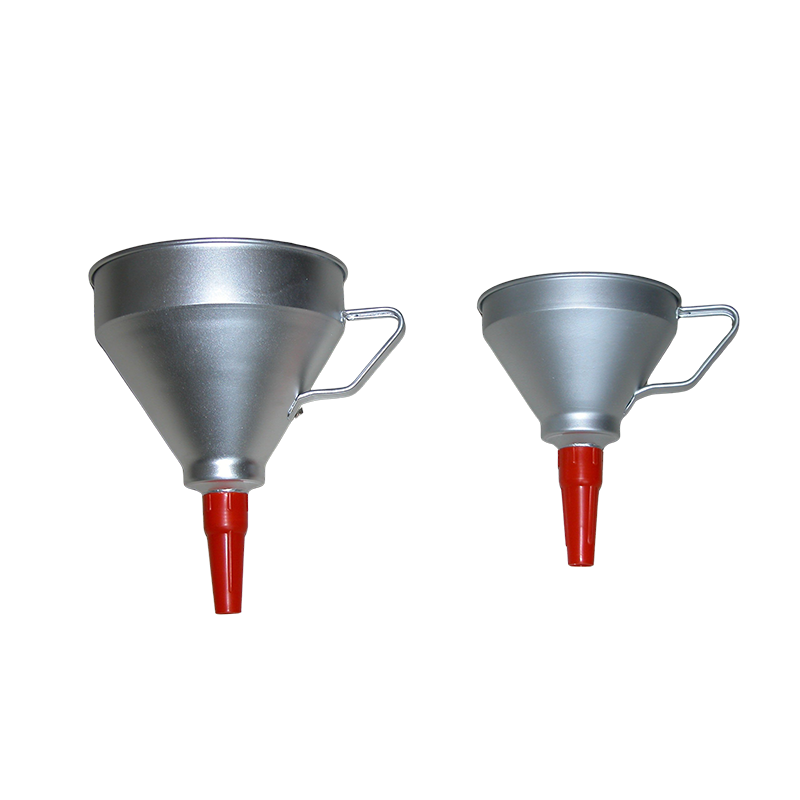
Mapping specific funnel types to their ideal use cases ensures optimal performance and guides the shortlisting process. Different operational environments demand distinct containment strategies. A funnel designed for a cleanroom will fail in a heavy manufacturing setting, and vice versa.
Laboratory environments handling volatile chemicals require closed-system ECO funnels designed specifically for HPLC waste and solvent collection. These funnels prioritize atmospheric protection and chemical compatibility. Lab technicians deal with small, frequent pours of highly reactive substances, making vapor containment the top priority.
Key features include chemical-resistant High-Density Polyethylene (HDPE) construction, which withstands aggressive solvents. Many systems integrate with secondary containment layers to prevent leaks from reaching the benchtop. Integrated vapor filters capture harmful emissions during the pour, protecting the immediate breathing zone of laboratory personnel. These filters usually contain activated carbon, which adsorbs solvent vapors before they can enter the room air.
High-frequency, low-volume waste dumping environments, such as the printing industry disposing of inks, solvents, and cleaning agents, benefit immensely from spring-loaded, self-closing funnels. In these settings, workers are moving fast, and relying on them to manually close a lid after every single pour is a recipe for compliance failure.
These devices offer a dual benefit. First, the self-closing mechanism removes human error from compliance workflows; the funnel automatically seals itself the moment the operator releases the latch. Second, this automation dramatically increases worker speed and efficiency, allowing them to dispose of waste rapidly without manually threading caps or securing lids. The heavy-duty springs ensure a tight seal against the gasket every time, maintaining a closed container status per EPA regulations.
Bulk material handling requires heavy-duty dump funnels designed for dry bulk, powders, or high-viscosity fluids. These large-scale units improve load-out accuracy when transferring materials from supersacks or large hoppers into processing equipment. When dealing with dry powders, the physics of transfer change entirely compared to liquids.
Critical features include steep cone angles engineered to prevent material bridging and rat-holing, ensuring powders flow freely without getting stuck. Many industrial dump funnels also feature vibration integration, utilizing pneumatic or electric vibrators to guarantee complete, waste-free material evacuation. Without these features, operators often resort to hitting the side of the funnel with a mallet to dislodge stuck powder, which damages the equipment and creates airborne dust hazards.
Assessing vendor specifications against operational needs requires a structured framework. Procurement teams must evaluate materials, capacity, and infrastructure compatibility. Buying based on price alone usually results in equipment failure and increased waste.
Matching the funnel material to the transferred substance is non-negotiable for safety and longevity. Using the wrong material leads to rapid degradation, contamination, and structural failure. We always recommend consulting a chemical resistance chart before making a purchase decision.
| Funnel Material | Ideal Substance Compatibility | Common Applications |
|---|---|---|
| High-Density Polyethylene (HDPE) | General solvents, mild acids, bases | Laboratory waste, chemical processing |
| Stainless Steel | Flammables, high-temperature liquids | Manufacturing, food-grade transfers |
| PTFE (Teflon) | Highly aggressive corrosives | Specialty chemical handling |
| Galvanized Steel | Oils, lubricants, non-corrosive fluids | Automotive, heavy machinery maintenance |
When transferring flammable solvents, anti-static and grounding capabilities are mandatory. Stainless steel funnels equipped with grounding cables eliminate spark-ignition risks caused by static electricity buildup during fluid flow. A simple grounding wire connected to the drum and the funnel ensures that any static charge safely dissipates into the earth.
Calculating the required funnel volume and throat width depends directly on the pour rate of the source container and the viscosity of the material. A funnel throat that is too narrow for a high-viscosity fluid will cause backups and overflows. You must match the funnel's throughput capacity to the operator's pouring speed.
Operational space also dictates design choices. Steep-angle funnels perform better for viscous fluids and dry materials by utilizing gravity effectively. Conversely, shallow-angle funnels save vertical space and are sufficient for low-viscosity liquids that flow easily. If you are pouring thick resins or heavy oils, a wide throat and a steep angle are absolute requirements to prevent the material from pooling in the basin.
New transfer equipment must integrate seamlessly with existing facility infrastructure. Thread compatibility is a primary concern. Funnels must match the specific thread types—such as NPT or buttress threads—found on standard industrial drums, carboys, and IBC totes to ensure a vapor-tight seal. Forcing a mismatched thread will strip the plastic and ruin the seal.
Additionally, evaluate how the funnel interacts with backup collection systems. Compatibility with secondary containment trays ensures that any accidental bypass or external drip is captured before it reaches the floor or drainage systems. A well-designed transfer station includes the funnel, the receiving drum, and a spill pallet to catch any unforeseen accidents.
Deploying new transfer equipment on the floor introduces practical challenges. Anticipating these risks ensures a smooth transition and maintains compliance. Even the best equipment will fail if the operators refuse to use it correctly.
A significant risk involves workers bypassing safety funnels because they perceive them as slow, or failing to close manual lids after use. This negates the environmental and safety benefits of the equipment. We see this happen when management installs new gear without explaining the reasoning behind it.
To mitigate this, highlight safety designs that actually make pouring faster and safer, such as wide-mouth targets and anti-glug venting. Establish clear Standard Operating Procedure (SOP) updates. Selecting self-closing models eliminates reliance on operator memory entirely. Performing hands-on flow-rate demonstrations proves to operators that the new equipment improves their workflow and keeps their boots clean.
Material buildup in the funnel stem presents a severe risk of cross-contamination between batches. In chemical waste scenarios, mixing incompatible residues can trigger hazardous chemical reactions. A dirty funnel is a dangerous funnel.
Mitigate these risks by establishing strict, routine cleaning schedules. Select funnels equipped with removable strainers or filters that catch debris and are easy to clean. For complex operations, dedicate specific funnels to specific chemical classes (e.g., one for halogenated solvents, another for non-halogenated) to prevent dangerous cross-mixing. Color-coding the funnels is a simple, effective way to enforce this separation on the floor.
A specialized material transfer funnel is an engineered containment system that pays for itself by keeping work areas clean, eliminating product loss, protecting employee health, and preventing costly compliance fines. Investing in the right transfer technology fundamentally improves operational efficiency and safety. When shortlisting equipment, prioritize ECO and safety funnels for volatile laboratory chemicals to control vapors. Utilize self-closing funnels for high-traffic manufacturing and printing environments to automate compliance. Rely on heavy-duty industrial dump funnels with steep angles for bulk solid and powder transfers.
Audit your current transfer points immediately to identify evidence of spillage, dried residue, or vapor leaks.
Document the exact thread sizes, bung locations, and capacities of your existing receiving containers.
Request comprehensive chemical compatibility charts and vapor-containment ratings from funnel manufacturers.
Implement a pilot program with self-closing funnels in your highest-traffic waste disposal area to measure time savings.
A: It is an engineered device designed to guide liquids or powders into a container while minimizing spillage, controlling flow rate, and containing harmful vapors. Unlike basic funnels, these are built with specific industrial and safety tolerances.
A: They utilize a spring-loaded mechanism that automatically seals the container after pouring. This prevents vapor release and fire hazards without requiring manual steps, significantly speeding up worker disposal workflows and ensuring continuous compliance.
A: Yes. Gasketed lids, closed-system designs, and integrated vapor filters trap volatile organic compounds (VOCs). This protects worker breathing zones, prevents atmospheric pollution, and maintains strict environmental compliance.
A: Always check a chemical resistance guide provided by the manufacturer. HDPE is standard for general solvents and mild corrosives, while stainless steel is required for certain flammables to allow for proper static grounding.
A: A lack of air venting causes vapor lock, where displaced air forces liquid back up, resulting in glugging and splashing. Specialized funnels feature built-in pressure relief vents to ensure smooth, continuous flow and prevent overflows.
A: Yes. They are specifically designed with steep cone angles, wider bodies, and sometimes pneumatic vibrators to prevent powder bridging and rat-holing, ensuring 100% material transfer without waste.


