+86-25-8470-5507


Views: 0 Author: Site Editor Publish Time: 2026-07-03 Origin: Site


Fluid and bulk-material transfer represents a critical vulnerability point for industrial safety, throughput, and regulatory compliance. Many facilities mistakenly rely on consumer-grade equipment for demanding applications. We often see this lead to severe consequences. Under-specifying fluid management tools causes hazardous workplace spills. It triggers chemical degradation and creates operational bottlenecks. You need industrial-grade transfer solutions to handle aggressive chemicals and high-volume throughput safely. In this guide, we explore the evaluation criteria you must use. We will help you match specific industrial applications to the right engineering, material, and capacity specifications. You will learn how to safeguard your operators, prevent costly accidents, and streamline your entire production line.
Using standard commercial Funnels in high-volume environments introduces massive operational risks. Standard consumer tools simply cannot handle harsh industrial demands. When facilities deploy under-specified equipment, they face frequent breakdowns. These failures lead to lost materials, expensive cleanup efforts, and serious safety hazards for workers.
Common failure points emerge rapidly under stress. Corrosive solvents warp cheap plastics within days. High-impact usage shatters thin walls easily. When operators pour thick liquids into small spouts, fluid bottlenecks occur immediately. This restriction causes sudden backups and secondary spills. Workers must then stop production to contain the hazardous mess.
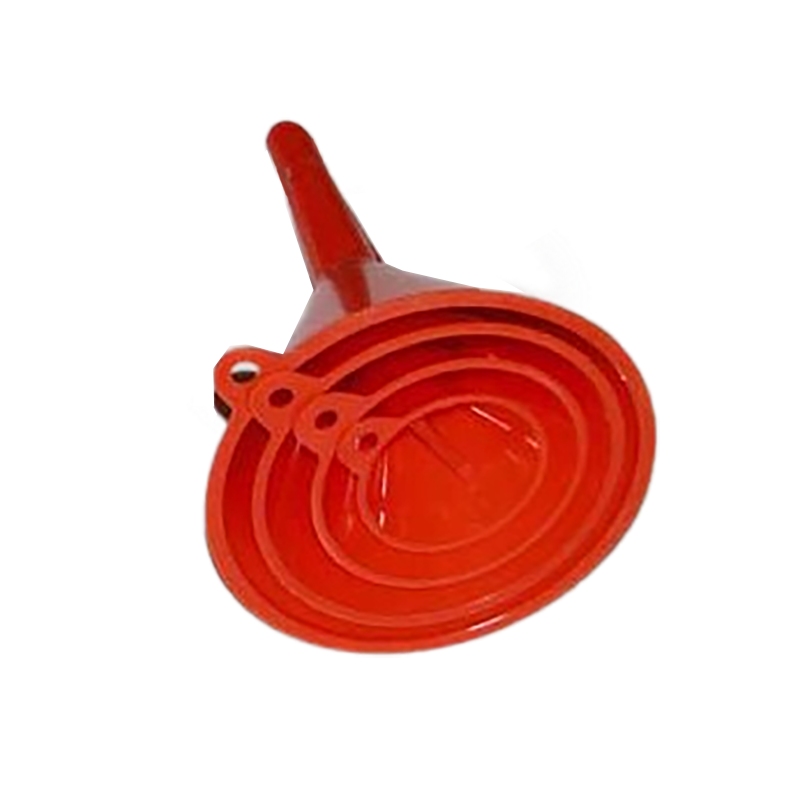
You must understand what qualifies a tool as genuinely heavy-duty. A true Heavy Duty Funnel features extremely thick walls. It utilizes reinforced spouts to prevent snapping. The material boasts robust UV and chemical resistance. Many models also include integrated debris screens. These features ensure long-term durability and protect your downstream equipment from contamination.
Chemical plants constantly transfer aggressive solvents, harsh acids, and volatile organic compounds (VOCs). Operators move these dangerous fluids into large containment drums. This application demands flawless equipment performance. A minor leak can trigger a major safety incident.
You need extreme chemical resistance for these tasks. Facilities typically rely on virgin HDPE or specialized engineering polymers. The equipment must feature anti-splash rims to protect workers from burns. Lockable lids are also essential. They trap fugitive emissions and keep your facility compliant with strict environmental regulations.
Maintenance depots handle bulk transfers daily. Mechanics move high-viscosity motor oils, synthetic hydraulic fluids, and engine coolants. These thick liquids move slowly. They require specialized geometries to maintain efficient workflow speeds.
This environment requires wide-mouth designs. A wide bowl accommodates high-velocity pouring without splashing. You should look for stepped spouts. They adapt quickly to variable port sizes on different engines. Integrated brass screens are another critical requirement. They filter out harmful particulates before fluids enter sensitive machinery.
Sanitary environments manage highly sensitive materials. Operators move dry bulk ingredients like powders and grains. They also transfer sanitary liquids. You must complete these transfers without introducing any external contaminants. A single contaminated batch ruins production quotas.
This sector requires strictly non-porous surfaces. Most facilities utilize 304 or 316-grade stainless steel. The construction must remain entirely seamless. Seamless joints prevent bacterial harboring inside crevices. Finally, every component must carry explicit FDA or USDA compliance certifications.
Machining centers generate massive amounts of fluids. Workers manage dirty cutting fluids, heavy lubricants, and coolant recycling systems. Operators often empty heavy machine pans directly into disposal vessels. These rapid, uncontrolled dumps overwhelm standard equipment instantly.
You need drum-fitting profiles for these jobs. The equipment must lock securely onto standard 2-inch bung holes. High-capacity bowls are mandatory. A large bowl safely catches massive liquid surges. It gives the thick fluid enough time to drain into the drum without overflowing.
Material selection dictates the lifespan of your transfer equipment. You must establish a pragmatic decision matrix before purchasing. Using the wrong polymer for a harsh solvent leads to immediate material degradation. We created this fundamental compatibility matrix to guide your selection process.
| Material Type | Primary Applications | Key Advantages | Limitations |
|---|---|---|---|
| Plastics / Polypropylene (PP) | General purpose, water-based fluids, light oils | Lightweight, highly affordable, shatter-resistant | Degrades under harsh solvents and extreme heat |
| High-Density Polyethylene (HDPE) | Corrosives, heavy industrial chemicals, acids | Exceptional chemical resistance, durable | Not suitable for highly sanitary food applications |
| Stainless Steel (304 / 316) | Sanitary, extreme heat, heavy abrasives, pharma | Non-porous, crevice-free, withstands boiling temps | Heavier and significantly more expensive |
| Galvanized Steel | Traditional heavy automotive, waste oils | Extremely rigid, resists heavy impacts | Can rust if the protective coating chips off |
You must understand fluid dynamics to prevent hazardous backups. There is a direct relationship between spout diameter, bowl volume, and fluid viscosity. Viscosity measures a fluid's resistance to flow. Thin liquids like acetone flow instantly. Thick liquids like cold gear oil drag heavily against surfaces.
When you pour a highly viscous fluid into a narrow spout, the flow rate drops drastically. The fluid quickly fills the bowl. If the bowl volume is too small, an overflow happens in seconds. You must calculate realistic flow rates. Always pair high-viscosity fluids with oversized spouts and massive bowl capacities.
| Fluid Viscosity Level | Example Fluids | Minimum Spout Diameter | Spill Risk if Undersized |
|---|---|---|---|
| Low (Water-like) | Acetone, Water, Coolant | 0.5 inches | Splashing and bounce-back |
| Medium | Motor Oil, Hydraulic Fluid | 1.0 inches | Slow drainage, minor backups |
| High (Syrup-like) | Heavy Gear Oil, Resins | 2.0+ inches | Rapid overflow and severe spills |
Evaluate how your equipment interfaces with the destination vessel. A loose fit causes dangerous tipping during unassisted pouring. You cannot rely on operators to hold the equipment steady while pouring heavy buckets.
Look for threaded drum bungs. They screw directly into standard barrels for a perfect seal. Snap-on tote adapters secure the base to large IBC totes. For open containers, use weighted or clamped designs. These anchors keep the base perfectly horizontal. They prevent tipping even when operators pour off-center.
Static electricity poses a hidden, lethal threat. Flowing liquids generate static friction. When you transfer flammable liquids like fuels or thinners, this static charge builds up. A sudden static discharge can cause instant ignition.
You must practice strict static mitigation. Always source conductive or anti-static metal transfer equipment for flammable liquids. You must equip them with grounding cables. Attach bonding clamps directly to the receiving drum. This creates a safe path for electrical dissipation. OSHA strictly monitors these grounding practices during facility inspections.
Best Practices for Static Mitigation:
Shared transfer equipment causes severe cross-contamination. Mixing incompatible fluids creates disastrous chemical reactions. Combining bleach and ammonia creates toxic gas. Mixing synthetic and conventional oils degrades machinery lubrication. You must eliminate shared usage.
Implement rigid color-coding strategies across your facility. Assign red equipment exclusively to flammable solvents. Assign blue to water-based coolants. Use dedicated application labeling. Engrave the specific chemical name onto the bowl. Finally, enforce standardized cleaning protocols between every single use.
Common Cross-Contamination Mistakes:
Procuring the right equipment requires a systematic approach. You cannot guess specifications. Follow these specific steps to guarantee safety and efficiency on your production floor.
Industrial fluid management requires strict attention to detail. You must treat this equipment as highly engineered solutions, not generic commodities. Standard consumer plastics simply cannot withstand aggressive chemicals, high viscosities, and heavy daily impacts. By upgrading to a properly specified Heavy Duty Funnel, you eliminate dangerous workplace spills. You also protect sensitive machinery from particulate contamination and prevent costly production bottlenecks.
Take action today by auditing your current transfer stations. Review your facility's chemical compatibility charts immediately. Verify your exact drum bung measurements before generating new purchase orders. Replace any warped, cracked, or undersized equipment to ensure total regulatory compliance and worker safety.
A: A standard consumer funnel uses thin, brittle plastic meant for light, occasional use. An industrial heavy duty funnel features extreme wall thickness to resist impacts. It uses specialized material grades like virgin HDPE or stainless steel for chemical resistance. It also offers engineered high-flow capacity to prevent production bottlenecks.
A: You should choose stainless steel for highly sanitary environments like food and pharmaceutical production. It is completely non-porous and withstands harsh sanitizing chemicals. Stainless steel is also mandatory when handling extreme temperatures or specific aggressive solvents that melt industrial plastics.
A: No, grounding is not required for all transfers. However, OSHA mandates strict bonding and grounding when transferring Class I flammable liquids. Flowing flammable fluids generate static electricity. You must use conductive metal equipment with grounding cables to prevent lethal sparks and explosions.
A: No. While many fit standard 2-inch bungs, thread variations exist. Drums use either NPT (National Pipe Thread) or Buttress threads. You must match your spout adapter to the specific thread type of your 55-gallon drum to ensure a secure, spill-proof fit.


