+86-25-8470-5507


Views: 0 Author: Site Editor Publish Time: 2026-06-30 Origin: Site


Managing waste oil efficiently remains the bottleneck of routine automotive maintenance. Every minute spent transferring fluids slows down shop throughput and eats into billable hours. Upgrading from a basic catch pan to a professional-grade setup directly impacts bay turnaround times. It improves shop safety and ensures strict environmental compliance.
Buyers often misalign equipment types with their operational environment. For instance, purchasing vacuum extractors when gravity drains are required for lift-based setups creates operational friction. Under-sizing capacity for commercial fleets also leads to constant interruptions.
You need a clear, unbiased framework for evaluating these systems. We will explore the core types of fluid evacuation equipment based on shop infrastructure and vehicle types. Read on to discover which solution best matches your specific daily volume and lift configurations.
Transferring waste oil from small pans into bulk storage tanks wastes valuable time. This inefficiency eats into billable hours for your technicians. High-capacity drainers minimize these evacuation cycles. They allow technicians to focus on vehicle repair rather than fluid transport. A well-designed Automotive Oil Drainer directly accelerates bay turnover.
Environmental Protection Agency (EPA) regulations mandate secure waste oil storage. Local safety protocols also require strict fluid transfer methods. Closed-loop drainer systems significantly reduce spill hazards. You eliminate slip risks on the shop floor. This proactive approach mitigates workplace injuries and reduces potential liability issues.
Investing in heavy-duty steel or high-density polyethylene (HDPE) equipment yields excellent long-term returns. Cheaper alternatives often suffer from rapid seal degradation. Their structural integrity fails under constant daily use. Professional-grade units integrate reliable evacuation mechanisms. These systems outlast budget options and keep your service bays running smoothly.
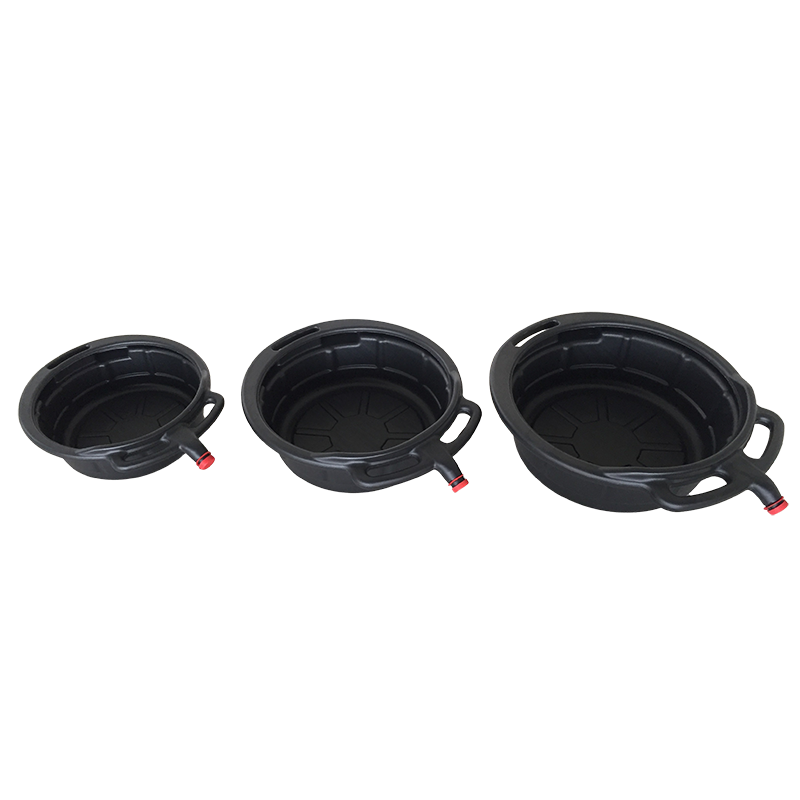
These units rely entirely on gravity to collect waste fluid. You position a telescoping funnel directly beneath the vehicle's oil pan. The vehicle sits safely elevated on a two-post or four-post lift. Technicians simply remove the drain plug and let gravity do the rest.
This setup represents the ideal use case for high-volume automotive repair shops. Quick-lube centers also depend heavily on upright gravity models. They require standard vehicle lifts to function properly. You cannot use them effectively for ground-level services.
You must evaluate these units across several critical dimensions:
These units do have distinct limitations. They remain virtually useless for mobile mechanics. You cannot deploy them for ground-level maintenance work. They require significant overhead clearance to operate correctly.
Extractors create a strong vacuum to suck oil directly out of the dipstick tube. You bypass the undercarriage drain plug entirely. Manufacturers offer these in manual hand-pump versions. You can also purchase pneumatic models driven by your shop air compressor.
Mobile mechanics and DIY enthusiasts favor these highly portable units. They also serve perfectly for modern vehicles designed with top-mount oil filters. Many recent European makes feature this top-down service architecture. Technicians complete the entire service without lifting the vehicle.
Consider the following evaluation dimensions when selecting an extractor:
You will face certain implementation risks with extractors. They cannot pull out heavy metal shavings. Dense sludge sitting at the absolute bottom of the oil pan often remains behind. Furthermore, the system relies heavily on warm oil. Cold oil possesses high viscosity and flows very poorly through narrow vacuum probes.
Low-profile units consist of large, flat tanks mounted on heavy-duty caster wheels. You slide them directly under commercial vehicles. They easily fit under heavy-duty trucks, buses, or RVs. Technicians perform the service without requiring massive commercial lifting equipment.
These units shine in commercial fleet maintenance facilities. Agricultural equipment maintenance bays use them extensively. Heavy-duty diesel repair shops consider them mandatory equipment. Standard upright drainers simply cannot handle the fluid volume of a Class 8 truck.
Evaluate low-profile drainers using these dimensions:
Their major limitation involves shop floor real estate. They require a significant footprint for storage. They represent massive overkill for standard passenger vehicle maintenance. Maneuvering them around tight automotive bays proves difficult.
| Drainer Type | Best For | Primary Evacuation Method | Required Vehicle Clearance |
|---|---|---|---|
| Upright Gravity | Quick-Lube, Auto Shops | Gravity Catch / Pneumatic Empty | High (Requires Lift) |
| Vacuum Extractor | Mobile Techs, European Cars | Vacuum Suction via Dipstick | None (Top-Side Access) |
| Low-Profile | Heavy Trucks, Fleet, Ag | Gravity Catch / Electric Pump | Low (Ground Level Access) |
Choosing the correct equipment ensures long-term reliability. You must evaluate the tank material carefully. Polyethylene (HDPE) offers excellent lightweight properties. It is naturally translucent, making it easy to monitor internal fluid levels visually. HDPE remains entirely immune to rust. It serves best for mobile or mid-volume usage environments.
Steel tanks provide maximum durability for aggressive shop environments. They withstand impacts and heavy daily abuse. Steel is heavier, but manufacturers often rate it for higher pneumatic evacuation pressures. This allows for faster emptying cycles into bulk drums.
Seals and hardware longevity dictate the lifespan of your Oil Drainer. Check the specifications for chemical-resistant Viton O-rings. Ensure the unit uses high-quality brass fittings. Cheap rubber degrades rapidly when exposed to hot synthetic engine oils and harsh shop solvents.
Pressure safety valves remain non-negotiable for pneumatic models. You introduce pressurized shop air into the tank to evacuate it. A pre-set pressure relief valve prevents catastrophic tank ruptures. These valves typically activate between 10 to 15 PSI. They vent excess pressure safely before structural failure occurs.
Your shop infrastructure must support the equipment you buy. Check your air compressor compatibility first. Ensure your shop's CFM (Cubic Feet per Minute) output matches the requirements of pneumatic extractors. Self-evacuating drainers also require consistent air pressure to function correctly.
Cross-contamination presents a major risk in multi-service bays. Avoid using the same extractor for engine oil, coolant, and transmission fluid. Mixing these fluids creates dangerous chemical reactions. It also severely contaminates bulk recycling tanks. You must thoroughly purge the unit if you switch fluid types.
Routine maintenance keeps these tools functioning optimally. Telescoping tubes on upright drainers attract dirt and grit. You must keep them clean to prevent binding during height adjustments. Wheels and casters roll through spilled oil constantly. They require regular degreasing to maintain smooth mobility across the concrete.
A: For many modern vehicles, yes. You can use an extractor for routine top-side service. However, traditional gravity draining is still recommended periodically. It helps flush out heavier sludge hiding at the bottom of the pan. Vacuum probes sometimes miss this dense material.
A: Manual extractors use a hand pump to create a vacuum. They offer total portability for field work. Pneumatic extractors connect to an air compressor. They provide faster, hands-free suction. However, air hoses restrict their mobility across large shop floors.
A: They use a closed-tank system. You introduce compressed air into the sealed tank. This pressure forces the collected waste oil up. The fluid travels through a designated discharge hose directly into a bulk recycling drum. It eliminates manual lifting and messy pouring.
A: Yes. High-density polyethylene (HDPE) drainers are specifically engineered for automotive fluids. They withstand standard engine oil operating temperatures safely. Most units handle up to 200°F (93°C) without warping, softening, or melting. They also resist chemical degradation from common shop solvents.


