+86-25-8470-5507


Views: 0 Author: Site Editor Publish Time: 2026-08-09 Origin: Site


Poor material handling carries a steep operational cost. When bulk solids, powders, or liquids encounter improper equipment design, the immediate results are flow bottlenecks, material degradation, and costly production downtime. Facilities often struggle with the complexity of matching physical equipment specifications—such as geometry, construction material, and flow dynamics—to specific material behaviors. Over-engineering leads to unnecessary bulk, while under-specifying guarantees continuous maintenance headaches and inconsistent feed rates.
Selecting the right equipment requires a strict technical evaluation framework. Buyers must analyze construction materials for chemical compatibility, engineer geometric flow principles to prevent stagnation, ensure seamless system integration with downstream processes, and implement data-driven process monitoring. Understanding these core parameters ensures continuous, reliable material transit without structural failures or process interruptions.
Material Compatibility Dictates Lifespan: Selecting the correct construction material (e.g., 304/316L stainless steel vs. heavy-duty polymers) is non-negotiable for preventing corrosion and contamination.
Geometry Controls Flow Dynamics: The slope angle and discharge size must be engineered to achieve mass flow or controlled funnel flow, preventing bridging and ratholing.
Integration Requires Precision: An industrial feeding funnel must align seamlessly with downstream equipment like rotary valves, screw conveyors, or volumetric feeders.
Compliance and Flexibility are Parametric: Food, pharmaceutical, and chemical applications require strict adherence to sanitary (FDA/3-A) and safety (ATEX/OSHA) standards, alongside modular adaptability for changing production lines.
Baseline requirements begin with the physical properties of the handled material. Bulk density dictates the structural load the equipment must support, directly influencing wall thickness requirements. Moisture content and particle size determine cohesiveness; wet or fine powders tend to agglomerate, requiring steeper wall angles and specialized surface finishes. Abrasiveness requires hardened alloys or replaceable liners to prevent rapid structural degradation during continuous operation. You cannot design a system for handling dry plastic pellets and expect it to perform equally well with damp, cohesive clay.
| Material Characteristic | Impact on Equipment Design | Engineering Solution |
|---|---|---|
| High Bulk Density | Increased structural load and outward pressure on walls. | Thicker gauge materials, reinforced external ribbing. |
| High Moisture Content | Increased cohesiveness, tendency to stick and bridge. | Steeper slope angles, non-stick coatings (Teflon), asymmetric cones. |
| High Abrasiveness | Rapid wear on internal surfaces, especially at the discharge. | AR400 steel, UHMW liners, thicker lower-cone sections. |
| Fine Particle Size | Risk of fluidization, flooding, or dust generation. | Dust-tight covers, rotary airlock valves at discharge, venting. |
Calculating the required volume and discharge rate ensures the equipment matches downstream processing speeds. If the discharge rate is too slow, downstream feeders starve, halting production. If the rate is too fast, material compacts at the transition point, causing overflows or mechanical strain on rotary valves. Accurate volumetric calculations must account for the material's resting angle and active flow density. Engineers typically evaluate the maximum surge capacity required during peak loading and the continuous discharge rate needed to sustain the line.
Determine the maximum volumetric feed rate required by the downstream process.
Calculate the bulk density of the material in its aerated and compacted states.
Size the discharge opening to exceed the minimum arching dimension of the specific material.
Verify that the transition cone volume can handle upstream surge loads without overflowing.
Flow velocity profiles through the hopper cone must be calculated to prevent stagnation zones. Velocity depends on the friction between the material and the internal wall, as well as the cone's convergence angle. Optimizing the transition speed ensures a steady, predictable discharge, eliminating dead zones where material degrades or cross-contaminates subsequent batches. When handling degradable materials like food ingredients or active pharmaceutical compounds, strict control over transit time ensures strict first-in, first-out inventory management.
The physical conversion rate measures the ability to achieve total material discharge. High throughput efficiency means zero product hang-up. Achieving this requires eliminating internal ledges, utilizing appropriate wall slopes, and selecting optimal surface finishes to ensure every ounce of material exits the discharge port without manual intervention. Operators should never need to strike the side of the equipment with a mallet to initiate flow; such actions indicate a fundamental failure in geometric design.
Facility constraints heavily impact sizing and placement. Low ceiling heights may force the use of shallower cone angles, which then require active flow aids to prevent bridging. Ambient humidity can alter a powder's flowability, necessitating environmental controls or sealed covers. Extreme temperature variations require materials that resist thermal expansion and contraction without compromising structural integrity. Always measure the physical footprint available, including overhead clearance for loading mechanisms and maintenance access.
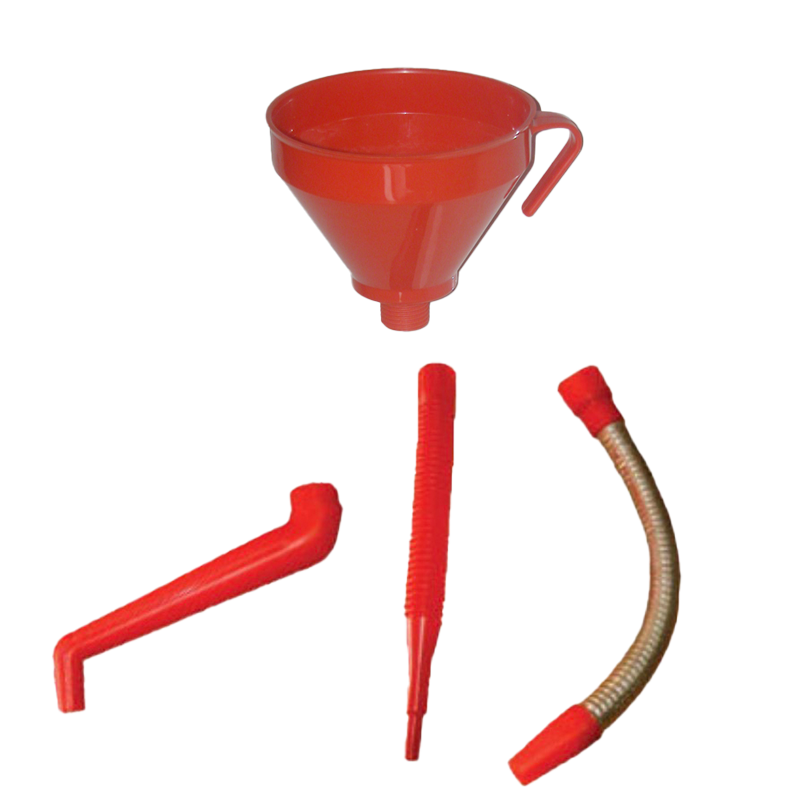
Metal alloys and industrial plastics serve different operational needs. Carbon steel offers high structural strength but lacks corrosion resistance, making it suitable for non-corrosive aggregates like dry sand or gravel. 304 and 316L stainless steel provide excellent chemical resistance and sanitary compliance, essential for food and pharmaceutical applications. High-density polymers like HDPE and UHMW offer exceptional chemical resistance, lower weight, and natural lubricity, making them highly effective for sticky or corrosive materials where metal is unsuitable.
| Material Type | Primary Advantages | Ideal Applications |
|---|---|---|
| Carbon Steel | High strength, rigid structural integrity. | Aggregates, mining, dry non-corrosive bulk solids. |
| 304 Stainless Steel | Good corrosion resistance, easily welded and cleaned. | General food processing, dry chemicals, plastics. |
| 316L Stainless Steel | Superior corrosion resistance, withstands harsh chlorides. | Pharmaceuticals, wet food processing, aggressive chemicals. |
| UHMW Polymer | Extreme abrasion resistance, very low coefficient of friction. | Sticky clays, wet ores, highly abrasive fine powders. |
Internal wall friction directly dictates flow efficiency. Electropolishing creates an ultra-smooth surface for pharmaceutical powders, preventing microscopic particle adhesion. Teflon coatings provide a non-stick barrier for highly cohesive materials. Bead blasting offers a uniform, matte finish that can reduce the contact surface area for certain granular solids, improving overall discharge rates. The choice of finish must align with the material's specific friction angle; a smoother finish is not universally better if it causes certain powders to fluidize uncontrollably.
Gauge thickness must be evaluated based on the maximum bulk density of the material load and the operational environment. Heavy loads require thicker walls to prevent bowing or structural failure. Furthermore, if external vibratory equipment or bin activators are integrated to promote flow, the walls must be sufficiently thick to withstand continuous mechanical stress without fatiguing or cracking. Reinforcing gussets and rolled top lips add significant rigidity without drastically increasing the overall weight of the unit.
Engineering the correct slope angle determines the flow pattern. Mass flow ensures all material is in motion simultaneously (first-in, first-out), which is critical for degradable materials and preventing segregation. Funnel flow occurs when an active central channel flows over stagnant material at the walls (first-in, last-out). While funnel flow requires less headroom, it is only suitable for coarse, free-flowing, non-degrading solids.
Mass Flow: Requires steep wall angles and low-friction surfaces. Prevents ratholing and ensures uniform discharge velocity.
Funnel Flow: Utilizes shallower angles. Acceptable for stable, non-cohesive materials like dry grains or plastic pellets.
Expanded Flow: A hybrid design using a mass flow cone at the bottom of a funnel flow upper section, balancing headroom constraints with reliable discharge.
Flow behaviors shift across three transit stages: the infeed zone, the transition cone, and the discharge outlet. The infeed zone must handle the impact of bulk loading without causing compaction. The transition cone must maintain a consistent velocity profile to prevent interlocking. The discharge outlet must be sized to overcome the material's cohesive arching dimension, ensuring continuous release. Misalignment in any of these three zones creates a bottleneck that disrupts the entire downstream process.
Outlet geometry mitigates the risk of interlocking particles. Round outlets are standard but can restrict cohesive powders. Square outlets offer slightly better flow profiles for certain aggregates. Slotted or elongated outlets are highly effective at preventing arching in difficult materials, provided the downstream feeder extracts material uniformly across the entire length of the slot. If a screw feeder only pulls from the back of a slotted outlet, it negates the geometric advantage and induces funnel flow.
Symmetric cones apply uniform pressure but can encourage bridging in cohesive materials. Asymmetric designs, featuring one vertical wall and one sloped wall, disrupt the internal pressure dynamics. This geometry significantly reduces the likelihood of arching and promotes better flow for difficult, sticky powders by forcing varying velocity profiles within the material bed. The differing velocities create internal shear, breaking apart cohesive bonds before they can form stable arches across the outlet.
Secure, leak-free connections depend on precise flange specifications. Standard ANSI or DIN flanges provide robust bolting for heavy-duty industrial applications. Sanitary tri-clamp fittings are mandatory for food and pharmaceutical environments, allowing for rapid dismantling and cleaning without tools. Custom flanges may be required to retrofit new equipment into existing legacy infrastructure. Ensure that the flange design accounts for any necessary gaskets or seals required to maintain pressure or prevent dust escape.
The discharge profile must match the intake capacity of downstream equipment. When integrating an Industrial Feeding Funnel with volumetric or gravimetric feeders, rotary airlock valves, or screw conveyors, the transition must not restrict flow. Improper matching causes material compaction above the feeder, leading to erratic feed rates and mechanical binding. The interface between the static hopper and the dynamic feeder is the most critical junction in the entire material handling system.
Top-loading configurations dictate environmental control and safety. Dust-tight covers prevent airborne contamination and product loss during loading. Safety grates prevent foreign objects and operator hands from entering the active flow zone. Flexible connections allow for automated loading systems to interface without transmitting vibration to the main structural supports. For applications involving hazardous chemicals, sealed loading ports with integrated dust extraction are mandatory to protect operators.
Production lines evolve, requiring adaptable equipment. Specifying adjustable hopper extensions allows operators to increase holding capacity without replacing the entire unit. Interchangeable discharge adapters enable quick transitions between different downstream feeders. Quick-change components minimize downtime during product changeovers, maximizing operational flexibility. Facilities handling multiple product lines benefit immensely from modular systems that can be reconfigured during standard maintenance windows.
Modern process control relies on real-time data. Integrating radar, ultrasonic, or capacitance level sensors prevents overfilling and dry runs. Load cells provide precise gravimetric tracking of material consumption. Flow monitoring instruments feed performance data directly back to SCADA or PLC systems, enabling automated adjustments to maintain optimal processing speeds. Hardwiring these sensors into the central control architecture allows for predictive maintenance and tighter inventory control.
Regulated industries demand strict design adherence. FDA, USDA, cGMP, and 3-A SSI compliance require continuous, ground-smooth sanitary welds to eliminate bacterial harbor points. Designs must exclude dead legs where material can stagnate. Easy-clean geometries, utilizing large radius corners and tool-less disassembly, ensure verifiable sanitation between batches. Material certification reports must be maintained for all product-contact surfaces to prove compliance during regulatory audits.
Handling combustible powders introduces severe safety risks. Equipment must integrate dust extraction ports to maintain negative pressure and capture airborne fines. Grounding mechanisms and anti-static materials are required to dissipate static electricity, ensuring strict compliance with ATEX and OSHA combustible dust regulations. Explosion venting or suppression systems must be incorporated if the material handled has a high Kst value, directing any potential blast away from personnel and critical infrastructure.
Operator interaction must be safe and efficient. Inspection hatches allow for visual verification of flow without exposing personnel to hazards. Safety grids prevent foreign object ingress and protect operators from moving parts. Accessible clean-in-place (CIP) nozzles reduce the need for confined space entry during routine maintenance. Designing equipment with operator ergonomics in mind reduces fatigue, minimizes the risk of workplace injuries, and ensures that routine maintenance tasks are actually performed.
Standardized equipment offers immediate availability. However, off-the-shelf geometries often fail to accommodate unique material flow properties, leading to constant manual intervention. Custom-engineered geometries eliminate bridging and ratholing, delivering long-term operational efficiency. A custom unit designed specifically for a difficult material will run continuously without operator assistance, whereas a standard unit may require constant monitoring and physical agitation to maintain flow.
A highly specialized design maximizes flow efficiency for a specific material but becomes a bottleneck if the production line changes. A flexible, multi-material design accommodates various bulk densities and cohesiveness levels but may require compromises, such as steeper angles than necessary for free-flowing materials, impacting overall height restrictions. Facilities must evaluate their production roadmap to determine if dedicated lines or flexible, multi-product lines offer the best operational strategy.
Integrating quick-release clamps, swing-away discharge adapters, and automated CIP systems increases the initial fabrication complexity. However, these features drastically reduce the labor hours required for manual dismantling, cleaning, and reassembly. High maintenance accessibility translates directly to increased production uptime. When a changeover that previously took four hours can be completed in forty-five minutes, the operational throughput of the entire facility increases significantly.
Heavy-duty, wear-resistant construction ensures longevity when handling abrasive aggregates but significantly increases the dead load on the facility's mounting framework. Evaluating this balance involves selecting targeted wear liners or thicker lower-cone sections where abrasion is highest, rather than uniformly increasing the gauge thickness of the entire structure. Strategic reinforcement keeps the overall weight manageable while protecting the zones most susceptible to structural degradation.
Cohesive materials naturally form arches (bridging) or stable central channels (ratholing). Mechanical and pneumatic mitigation strategies are essential. Integrating flow aids such as bin activators, fluidization pads, or pneumatic vibrators introduces energy into the material bed, breaking cohesive bonds and restoring consistent flow dynamics. However, flow aids must be applied correctly; vibrating a hopper while the discharge valve is closed will only compact the material further, creating a solid block that is nearly impossible to clear.
High-volume operations handling abrasive materials face rapid structural degradation. To mitigate wear, operators must specify abrasion-resistant alloys or install replaceable wear liners made from hardened steel or UHMW plastic. Focusing reinforcement on the lower cone section, where material velocity and friction are highest, extends the operational lifespan of Funnels significantly. Routine ultrasonic thickness testing should be implemented to monitor wear rates and schedule liner replacements before the primary structure is compromised.
Material carryover between batches ruins product integrity. Mitigating this risk requires selecting the correct surface finish to prevent adhesion and implementing verifiable cleaning protocols. Eliminating internal ledges, utilizing seamless welds, and incorporating CIP systems ensures that residual material is completely evacuated before the next production run begins. Swab testing and visual inspections must be integrated into the standard operating procedures for any facility handling allergens or active pharmaceutical ingredients.
The most effective material handling equipment is engineered specifically for the unique flow properties and velocities of the bulk solids it processes. Generic solutions inevitably lead to flow interruptions, requiring continuous manual intervention and causing downstream inefficiencies. Precision engineering ensures consistent throughput, structural durability, and regulatory compliance. When shortlisting equipment, define your material properties and flow stages first. Determine the required geometry and velocity metrics based on those properties. Next, select construction materials and smart instrumentation that align with your operational environment. Finally, verify that the design offers integration flexibility with your existing downstream feeders and facility constraints.
Compile your material safety data sheets (MSDS) and precise bulk density metrics for all handled products.
Measure your facility's spatial constraints, including overhead clearance and downstream connection dimensions.
Define your minimum and maximum volumetric flow rate targets based on downstream processing requirements.
Contact a bulk solids engineer or specialized equipment manufacturer to arrange a shear cell flow test.
Request a custom specification and mechanical drawing tailored specifically to your material and facility constraints.
A: Mass flow ensures all material moves simultaneously, operating on a first-in, first-out basis, which prevents segregation and stagnation. Funnel flow occurs when an active central channel moves over stagnant material resting against the walls, operating on a first-in, last-out basis. Mass flow is required for cohesive or degradable materials.
A: Velocity is measured by analyzing the material's transit time through the converging cone. It is optimized by adjusting the wall slope angle and utilizing specific surface finishes to reduce friction. Proper velocity profiling prevents dead zones and ensures a consistent feed rate to downstream equipment.
A: The correct slope angle is calculated by testing the material's wall friction angle and internal shear strength. Engineers use shear cell testing to determine the exact angle required to overcome friction and cohesive forces, ensuring reliable mass flow without bridging.
A: Food-grade applications strictly require 304 or 316L stainless steel, or FDA-approved high-density polymers. Construction must feature continuous, ground-smooth sanitary welds to eliminate crevices where bacteria can grow, ensuring full compliance with FDA and 3-A sanitary standards.
A: Modular designs utilize interchangeable parts, such as variable inlet covers and quick-release discharge adapters. This allows facilities to rapidly reconfigure the equipment for different materials or downstream feeders without replacing the entire unit, minimizing downtime during product changeovers.
A: Bridging is stopped by correcting the slope angle or integrating active flow aids. Mechanical agitators, pneumatic vibrators, and aeration pads introduce energy into the material bed, breaking the cohesive bonds that form arches and restoring consistent downward flow.


