+86-25-8470-5507


Views: 0 Author: Site Editor Publish Time: 2026-07-01 Origin: Site


Mechanics and DIY enthusiasts constantly debate the best way to change engine fluid. Should you use the traditional gravity method or a modern vacuum approach? Changing oil efficiently matters significantly in any garage setting. You want to complete the job quickly and accurately. However, you cannot compromise engine longevity, personal safety, or shop cleanliness. Crawling under a car takes valuable time and effort. Still, many purists swear by pulling the plug to ensure a truly clean engine. This persistent argument leaves many wondering which tool truly performs better for daily maintenance.
We created this comprehensive guide to provide an evidence-based, objective comparison. It will help you evaluate these popular methods thoroughly. You will discover the operational differences between gravity draining and vacuum extraction. We will explore vehicle compatibility, time efficiency, and long-term maintenance outcomes in detail. Our goal is to help you decide whether to invest in an oil drainer or rely on an oil extractor for your specific workspace configuration.
Understand the baseline operational differences before evaluating performance. We need to look at how each tool interacts with the internal engine components. Both methods achieve the exact same goal of removing degraded fluid from the system. However, they approach fluid removal from entirely different physical angles. Recognizing these mechanical distinctions helps you select the right tool for your specific vehicle fleet.
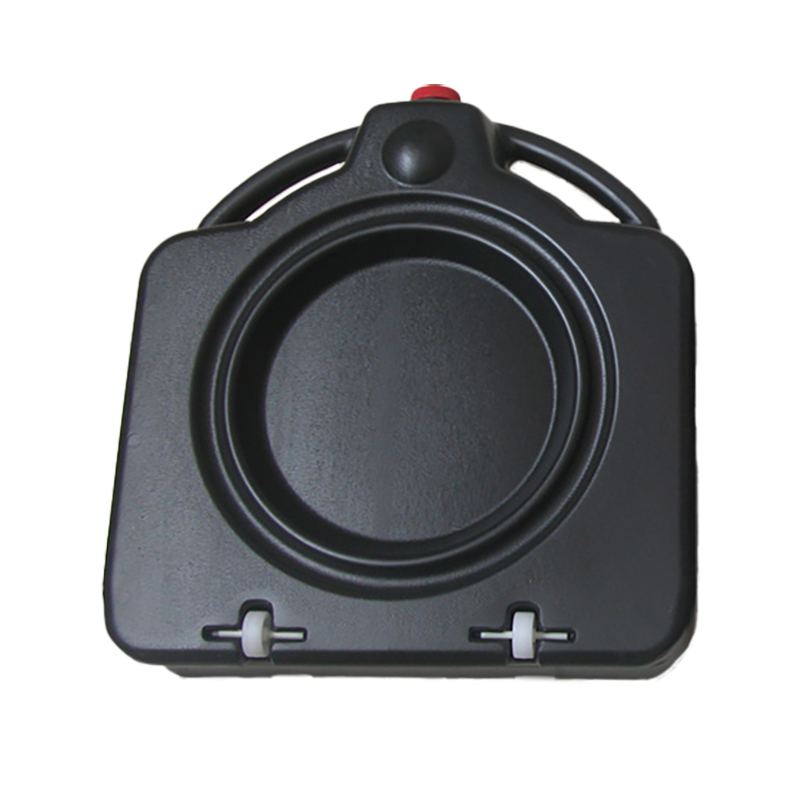
This traditional method operates on simple, reliable gravity mechanics. The engine oil naturally settles in the oil pan located at the absolute bottom of the engine block. You position a catch basin or an upright Oil Drainer directly beneath the vehicle. Then, you manually remove the oil pan drain plug using a designated wrench. Gravity takes over instantly. The hot fluid flows freely downward into the waiting reservoir.
This process seems straightforward and completely foolproof. Yet, it requires precise mechanical steps to prevent future issues. You often need to replace the copper or aluminum crush washers on the plug itself to maintain a seal. Furthermore, mechanics must re-torque the drain plug to exact factory specifications. Over-tightening causes stripped oil pan threads, requiring expensive repairs. Under-tightening leads to dangerous leaks while driving down the highway.
A modern Oil Extractor reverses this physical approach entirely. It utilizes either a manual hand pump or pneumatic shop air to operate. This pumping action creates a strong negative pressure vacuum inside a sealed containment tank. You insert a narrow nylon or reinforced plastic tube straight down the engine dipstick tube. The hose reaches the lowest point of the oil pan from above. The vacuum siphons the fluid directly from the sump upward into the chamber.
You complete this entire operation exclusively from the top side of the engine bay. The technician never crawls underneath the car or uses a floor creeper. The fluid moves upward against gravity through translucent tubing. The sealed unit captures every drop safely, practically eliminating the risk of accidental shop floor spills.
We must address the most common objection from purists regarding residual dirty oil and metal shavings. Skeptics often worry about heavy sludge remaining stuck in the pan after siphoning. We must evaluate this skepticism using actual mechanical evidence rather than old garage myths.
Oil pan design directly dictates extraction success or failure. Not all oil pans feature flat, simple shapes at the bottom. If the dipstick tube reaches the absolute lowest point, known as the sump, extraction works perfectly. In these ideal cases, an extractor leaves virtually no more residual oil than a standard gravity method. Fluid dynamics ensures the powerful vacuum pulls the liquid out highly effectively.
We must acknowledge edge cases where internal pan baffles block the extraction tube. These metal plates prevent oil starvation during heavy cornering on performance cars. Unfortunately, they can also block the narrow hose from advancing. The tube might hit a baffle shelf instead of reaching the true sump. When this happens, a gravity drain becomes absolutely necessary to ensure complete fluid removal. You should always measure the amount extracted against the vehicle's stated fluid capacity.
Many experienced mechanics claim gravity draining flushes metal shavings significantly better. They believe the sudden rush of fluid acts like a pressure wash, carrying debris out the drain hole rapidly. We must evaluate the claim objectively to separate fact from fiction regarding engine wear protection.
In reality, gravity draining does not flush an engine aggressively enough to remove deeply embedded particles. Note that heavy metal fragments typically adhere to magnetic drain plugs anyway. Extractors bypass these plugs entirely during top-side service routines. The vacuum cannot pull dense metal shavings upward through a tiny, restrictive hose. Heavy sludge also tends to settle heavily at the lowest points regardless of the method used.
We highly recommend performing periodic gravity drains every few service intervals. Using a traditional Oil Drainer occasionally allows you to inspect those crucial magnetic plugs closely. You can wipe off the accumulated metal paste manually. This proactive step ensures you catch early signs of internal engine bearing wear before catastrophic failure occurs.
Let us look at a feature-to-outcome evaluation for these two contrasting methods. We want to see how each tool distinctly impacts workflow, safety, and shop cleanliness. Your working environment and business goals often dictate the best fit.
Using a traditional gravity basin requires lifting the heavy vehicle securely. You need to position floor jacks, arrange drive-on ramps, or align hydraulic hoists carefully. This introduces severe safety liabilities into your workspace. A vehicle slipping off a jack stand presents a fatal risk to anyone underneath. It also drastically increases your total setup time. You spend ten minutes just preparing the car before turning a single wrench.
Conversely, an Oil Extractor allows for completely flat-ground operation. It eliminates lifting risks entirely. This makes it ideal for low-clearance sports cars where jacks barely fit underneath the side skirts. It also works perfectly for quick fleet servicing in busy commercial yards. A technician can start pulling fluid just seconds after popping the hood open.
Gravity setups remain notoriously messy by nature. They remain highly susceptible to wind scattering if you work in an open driveway or parking lot. Inside the shop, mechanics frequently face sudden splash-back when the hot fluid violently hits the shallow basin. Messy drain plug removals almost always leave hot fluid running down your hands, arms, and expensive socket wrenches.
Vacuum systems use a brilliantly simple closed-loop design. The fluid travels directly from the hot engine into the sealed holding tank without exposure to the air. This virtually eliminates sudden, catastrophic shop spills. It drastically reduces environmental hazards near storm drains. You keep your hands completely clean and your shop floor looking spotless all year round.
This represents the definitive "Top-Mounted vs. Bottom-Mounted" filter rule. It dictates your tool choice heavier than any other factor discussed.
If your oil filter lives underneath the car, you must lift the vehicle safely anyway. This completely negates the primary time-saving benefit of the top-side vacuum approach. You still have to crawl under the chassis to unscrew the filter housing and replace the cartridge. In these common scenarios, a standard Oil Drainer remains the logical, efficient choice. You are already underneath the engine block, so pulling the drain plug makes the most sense.
| Operational Feature | Traditional Gravity Drain | Vacuum Extraction |
|---|---|---|
| Vehicle Lifting Required | Yes (Requires jacks, ramps, or hydraulic hoists) | No (Operates effectively on flat ground) |
| Preparation Speed | Slower (Demands chassis preparation and tools) | Extremely Fast (Immediate top-side access) |
| Spill and Mess Risk | High (Prone to splash-back, wind scattering, and dirty hands) | Very Low (Fully contained closed-loop system) |
| Ideal Filter Compatibility | Bottom-mounted or side-mounted blocks | Top-mounted cartridge housings |
Every piece of professional shop equipment carries minor implementation risks. We need to examine what it takes to own and effectively maintain these tools over the long term. Choosing equipment involves understanding how it behaves after months of hard use.
Traditional catch basins boast incredibly high durability. They feature vastly fewer moving parts to break during heavy daily use. They present minimal failure points beyond the occasional seized caster wheels or stripped height-adjustment collars on upright models. Once purchased, a solid metal or thick plastic unit often lasts for decades of professional abuse without major repairs.
Vacuum units rely heavily on tight pneumatic seals, rubber O-rings, and specialized tubing to function properly. You require consistent maintenance to prevent frustrating vacuum leaks over time. Furthermore, the thin nylon hoses face extreme thermal stress during operation. Hoses can kink permanently or even melt if inserted into an overly hot engine block. Mechanics must monitor fluid temperatures carefully before beginning the delicate siphoning process.
Disposal logistics matter greatly in smooth daily operations. Compare the logistics of emptying a heavy, open pan versus transporting a completely sealed tank to a municipal recycling facility.
Emptying a heavy, open catch pan requires steady hands and immense patience. You must pour the used fluid into a secondary recycling jug carefully to avoid making a terrible mess. Funnels overflow frequently during this manual transfer process, leading to further cleanup time.
Transporting a sealed vacuum tank feels much safer and simpler. You carry the entire self-contained unit directly to a recycling center without pouring anything. Many advanced models even utilize reverse pneumatic pressure. You simply hook up your shop air compressor and pump the waste fluid directly into your bulk storage barrel without lifting a finger.
We created a direct, scenario-based recommendation guide to assist your purchasing decision. Follow this shortlisting logic to find your perfect mechanical match.
Consider adding a vacuum system to your tool collection if these scenarios fit your routine:
Rely on proven gravity methods under the following workshop conditions:
Neither tool proves universally superior in every single garage scenario. The final choice depends heavily on vehicle compatibility and your specific workshop infrastructure. Understanding the layout of the engines you service most frequently guides a smart purchase.
For ultimate flexibility, successful professional shops always utilize both methods. They pull fluid from the top when speed and cleanliness matter most. Conversely, they drain from the bottom for deep mechanical inspections. For DIY mechanics, we strongly advise checking your vehicle's specific oil filter location before making a purchase. This single, simple step prevents immediate buyer's remorse.
Ready to upgrade your vehicle maintenance workflow? Browse a catalog of high-quality equipment today to elevate your garage setup. Find the perfect Oil Drainer or a robust pneumatic Oil Extractor to match your specific fleet maintenance needs exactly.
A: Yes, in most modern vehicles, provided the tube reaches the bottom of the oil pan. The residual amount is negligible and statistically similar to gravity draining.
A: It is highly recommended to keep a basic oil drainer on hand for vehicles with bottom-mounted filters or for occasional magnetic drain plug inspections.
A: Not all. Some engines have complex baffles or dipstick tubes with sharp bends that prevent the extraction hose from reaching the sump. Always check specific model forums or manuals.
A: Yes, warm oil flows more easily and suspends particulates better, but it should not be at operating temperature to avoid melting the plastic extraction tubes.


