+86-25-8470-5507


Views: 0 Author: Site Editor Publish Time: 2026-08-14 Origin: Site


A hand pump is a manually operated pump that moves liquid or semi-fluid materials by using human force instead of electricity, compressed air or a motor. It is commonly used when users need a simple, portable and controlled way to transfer fluids from pails, drums, tanks or containers.
A Hand Pump is a manual fluid transfer tool used when electricity or compressed air is not available or not necessary.
In workshop and industrial fluid handling, hand pumps are often used for oils, diesel, gasoline, coolants, AdBlue or DEF, grease, water and maintenance chemicals. Depending on the structure, a hand pump may use lever action, rotary motion, lift action, piston movement or siphon flow to move fluid from one place to another.
This article explains what a hand pump is, how it works, what types are available and how B2B buyers can choose the right pump for fluid transfer applications.
A hand pump works by using manual force to create suction, move fluid into the pump body and discharge it through a hose, spout or nozzle.
Key points include:
A hand pump does not require electricity, air pressure or a motor.
Manual force starts the fluid movement.
Suction helps draw fluid into the pump body.
Internal chambers, pistons, gears or valves help control flow direction.
Discharge moves the fluid through an outlet.
Different hand pump types suit different fluids and containers.
Pump material and seal compatibility must match the fluid.
Flow rate, viscosity, hose length and use frequency affect selection.
Drum size and pail size should be checked before ordering.
B2B buyers should confirm pump style, fluid compatibility and accessories before bulk purchase.
In short, a hand pump is a practical manual solution for controlled fluid transfer in workshop, industrial, agricultural and maintenance environments.
A hand pump is a hand-operated device that transfers fluid by mechanical movement. The operator turns a crank, pushes a lever, lifts a handle, presses a plunger or starts a siphon action. This movement creates pressure difference inside the pump, allowing fluid to enter and exit through a controlled path.
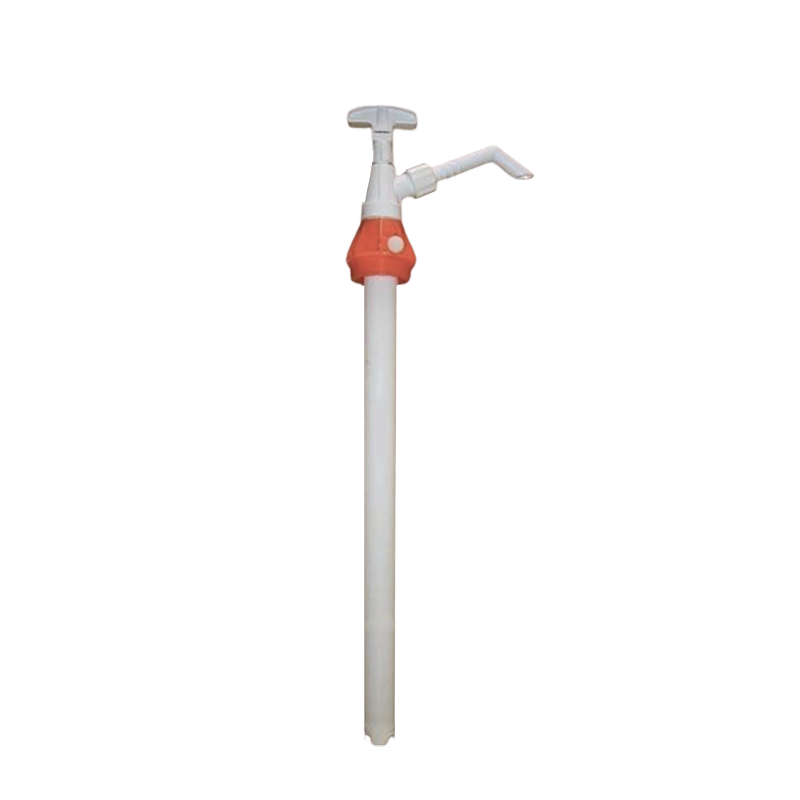
A hand pump is often selected because it is:
simple to operate;
portable;
easy to install;
suitable for small or medium transfer tasks;
useful where power supply is limited;
suitable for pails, drums and containers;
cost-effective for maintenance use;
practical for workshop and field service.
In industrial and automotive settings, hand pumps are often used for fluid transfer rather than water well pumping. The main purpose is to dispense, transfer or remove fluids from drums, tanks, machines or service containers.
The basic working principle of a hand pump is simple. Manual movement creates suction or pressure inside the pump body. This pulls fluid from the source container and pushes it toward the outlet.
A typical working path can be shown as:
Manual Operation → Suction or Intake → Fluid Movement → Discharge → Flow Control
In many hand pumps, the operator moves a handle or crank. This movement changes the internal chamber volume or activates a rotary mechanism. As the chamber opens, fluid is drawn into the pump. As the chamber closes or rotates, fluid is pushed out through the discharge side.
The outlet may be a hose, nozzle, spout or dispensing pipe. Some pumps provide continuous flow, while others discharge fluid with each lever stroke or lift movement.
The exact hand pump working principle depends on the pump type.
A hand pump may have different structures, but most designs share several functional parts.
| Pump Part | Function |
|---|---|
| Handle or crank | Provides manual force for pumping |
| Pump body | Holds the internal pumping mechanism |
| Suction tube | Draws fluid from a drum, pail or container |
| Inlet area | Allows fluid to enter the pump |
| Internal chamber | Moves or controls fluid flow |
| Valve or flow path | Helps direct fluid movement |
| Outlet hose or spout | Discharges fluid to the target container |
| Seal components | Help prevent leakage and maintain suction |
| Drum adapter or fitting | Connects the pump to a container |
| Nozzle or outlet control | Helps control dispensing accuracy |
For B2B buyers, these parts matter because each part affects compatibility, durability and operation. A pump for diesel may need different seals from a pump for AdBlue. A pump for thicker oil may need a different structure from a pump for water or light chemicals.
Different hand pumps use different movement methods. The right type depends on the fluid, container, flow requirement and use environment.
| Hand Pump Type | How It Works | Common Use |
|---|---|---|
| Rotary hand pump | Uses rotary motion to move fluid continuously | Oil, diesel, fuel or drum transfer |
| Lever hand pump | Uses lever movement to create suction and discharge | Oil, AdBlue or lubricant transfer |
| Lift-action pump | Uses vertical lift motion to draw fluid upward | Drum or pail dispensing |
| Siphon pump | Uses siphon flow after priming | Simple low-cost transfer |
| Multi-purpose pump kit | Uses manual pumping for transfer or inflation | Fluid transfer, emergency use, light-duty inflation |
| Manual pump kit | Combines pump body, hose and accessories | Workshop or field fluid handling |
A rotary hand pump is often useful when continuous manual flow is needed. A lever hand pump may be suitable for controlled dispensing. A siphon hand pump may be used for simple transfer tasks. A multi-purpose pump kit may be useful when one compact manual tool is needed for different light-duty tasks.
A hand pump for fluid transfer may be used with different liquids or semi-fluid materials. However, not every pump is suitable for every fluid. Fluid compatibility should always be checked before selection.
Common fluids include:
lubricating oil;
diesel;
gasoline;
coolant;
AdBlue or DEF;
grease;
water;
light maintenance chemicals;
cleaning fluids;
agricultural fluids;
workshop service fluids.
Fluid type affects pump material, seal material, suction performance and service life. For example, an oil hand pump may not be suitable for aggressive chemicals. A diesel hand pump may need seal materials that can resist fuel exposure. An AdBlue hand pump should use materials compatible with urea solution.
Viscosity also matters. Thin fluids may transfer easily, while thicker oils or grease may require stronger manual force or a pump structure designed for higher resistance.
Hand pumps are used in many practical fluid handling situations. They are especially useful when users need a simple manual tool for controlled transfer.
Common use environments include:
automotive workshops;
industrial maintenance areas;
farms and agricultural service sites;
machinery repair stations;
construction equipment service;
fuel and oil dispensing areas;
warehouse maintenance rooms;
mobile service vehicles;
emergency transfer situations;
small-scale production or cleaning tasks.
In these settings, a hand pump can help transfer fluid from a drum or pail without moving the full container. This improves handling efficiency and reduces the need to lift heavy fluid containers manually.
For light-duty fluid transfer, emergency refueling, oil change or small inflation tasks, a Multi-Purpose Pump Kit can provide a compact manual solution with hoses and accessories.
Choosing the right hand pump requires more than selecting a pump by appearance. Buyers should match pump type with fluid, container and use condition.
| Selection Factor | Why It Matters |
|---|---|
| Fluid type | Determines pump material and seal compatibility |
| Viscosity | Affects pumping effort and flow rate |
| Drum or pail size | Determines suction tube length and fitting |
| Flow rate | Affects transfer speed |
| Pump body material | Impacts durability and chemical resistance |
| Seal material | Affects compatibility with oil, fuel, AdBlue or chemicals |
| Hose and nozzle | Affects control and dispensing accuracy |
| Use frequency | Determines whether light-duty or heavy-duty model is better |
| Portability | Important for field service and mobile workshops |
| OEM or private label needs | Important for distributors and brand owners |
A hand pump selection guide should start with the fluid. After that, buyers should confirm viscosity, container size, desired flow rate, hose length, outlet control and use frequency.
For example, a pump used once a week for light fluid transfer may not need the same structure as a pump used daily in an industrial workshop. A pump used for AdBlue may need different materials than a pump used for oil or diesel.
B2B buyers and distributors should check both product function and supply details before placing bulk orders.
Useful questions include:
What fluid will the hand pump transfer?
Is the fluid oil, diesel, AdBlue, coolant, grease, water or chemical?
What is the viscosity of the fluid?
What drum, pail or container size will be used?
What suction tube length is required?
What flow rate is expected?
Does the pump need a hose, nozzle or spout?
Is the pump used indoors, outdoors or in mobile service?
What pump body material is suitable?
What seal material is required?
How often will the pump be used?
Is private label or custom packaging needed?
What order quantity is planned?
These questions help prevent selection errors. A hand pump that works for one fluid or container may not be suitable for another application.
JINLIN supplies hand pumps for workshop, automotive, agricultural, industrial and maintenance fluid handling applications. The hand pump range can support different manual transfer needs, including oil transfer, diesel transfer, coolant transfer, AdBlue or DEF transfer, grease handling, water transfer and general maintenance use.
JINLIN can help review:
fluid type;
container size;
viscosity;
pump style;
suction tube requirement;
hose length;
outlet method;
pump body material;
seal compatibility;
flow requirement;
use frequency;
packaging preference;
bulk order quantity.
For rotary, lever, lift-action, siphon and multi-purpose hand pumps, JINLIN can help match pump style with oil, diesel, coolant, AdBlue, grease, water or maintenance chemical transfer needs.
A Hand Pump is a manually operated fluid transfer tool that uses human force to create suction, move fluid into the pump body and discharge it through a hose, spout or nozzle. Depending on the design, a hand pump may use rotary motion, lever action, lift movement, piston action or siphon flow to transfer oils, diesel, coolants, AdBlue or DEF, grease, water and maintenance chemicals from pails, drums or tanks.
The best hand pump should be selected according to fluid type, viscosity, container size, flow rate, material compatibility, seal compatibility, hose requirement, use frequency and order needs. For B2B buyers, pump selection should focus on real application conditions rather than choosing one general model for every fluid.
Need help choosing a pump for oil, diesel, coolant, AdBlue, grease, water or maintenance chemicals? Contact JINLIN for hand pump selection with your fluid type, container size, target flow rate, hose requirement, use frequency and order quantity.
A hand pump is a manually operated pump that transfers fluid by using human force instead of electricity, compressed air or a motor.
A hand pump works by creating suction or pressure through manual movement. Fluid enters the pump body and is then discharged through a hose, spout or nozzle.
A hand pump is used for manual fluid transfer, including oil, diesel, coolant, AdBlue, grease, water and maintenance chemical transfer.
Common types include rotary hand pumps, lever hand pumps, lift-action pumps, siphon pumps, multi-purpose pump kits and manual pump kits.
No. Pump body material, seal material and internal structure must match the fluid type, viscosity and chemical compatibility requirements.
A rotary hand pump uses a rotating mechanism to move fluid continuously. It is commonly used for oil, diesel, fuel or drum transfer.
A lever hand pump uses handle movement to draw and discharge fluid. It is often used for controlled oil, lubricant or AdBlue dispensing.
Buyers should check fluid type, viscosity, container size, flow rate, suction tube length, hose requirement, seal compatibility and use frequency.
Yes. Hand pumps are widely used in workshops, farms, maintenance stations, industrial service areas and mobile service environments.
Yes. JINLIN can help review fluid type, container size, viscosity, pump style, hose requirement, material compatibility and order quantity for hand pump selection.


