+86-25-8470-5507


Views: 0 Author: Site Editor Publish Time: 2026-07-01 Origin: Site


Selecting the right fluid transfer equipment is a precision decision. It is never just an afterthought. Improper sizing creates severe workflow bottlenecks. You might face serious safety hazards. You will definitely waste expensive material. Optimal oil transfer relies on several key factors. You must balance fluid viscosity and pour volume. You also need to navigate equipment access constraints.
Industrial maintenance teams cannot rely on guesswork. Every second wasted waiting for oil to drain adds up. Thick fluids demand specific geometric shapes to flow properly. Thin fluids require careful handling to avoid splashing. Today, we will introduce a complete evaluation framework. You will learn to select equipment matching your exact operational demands. This prevents costly spills. It also supports vital compliance protocols across your facility. You will understand the exact measurements required for different lubricants. You can standardize your inventory effectively and protect your shop floor.
Restrictive spouts force technicians to pour slowly. This significantly increases maintenance time per asset. Consider a heavy equipment garage. A technician services ten machines daily. A poorly sized spout adds three minutes per machine. You lose thirty minutes of productive labor daily. Over a month, this wasted time compounds massively. Technicians stand holding heavy containers. They wait for gravity to pull the liquid through a tiny opening. This process creates massive workflow bottlenecks. Equipment downtime extends needlessly. You need proper flow rates to maintain shop efficiency.
Undersized equipment frequently triggers overflow events. These spills create multiple hidden problems for your facility:
Fluid transfer relies heavily on basic physics. Gravity forces the liquid downward. The liquid displaces the air inside the reservoir. The displaced air must travel upward. Trapped air causes violent splashing. Technicians call this "burping". It happens because the spout completely seals the fill port. Pressure builds inside the reservoir quickly. The trapped air violently forces its way up. It pushes the liquid directly out of the bowl. Fluid rejection ruins a clean workspace. Proper venting prevents this issue completely.
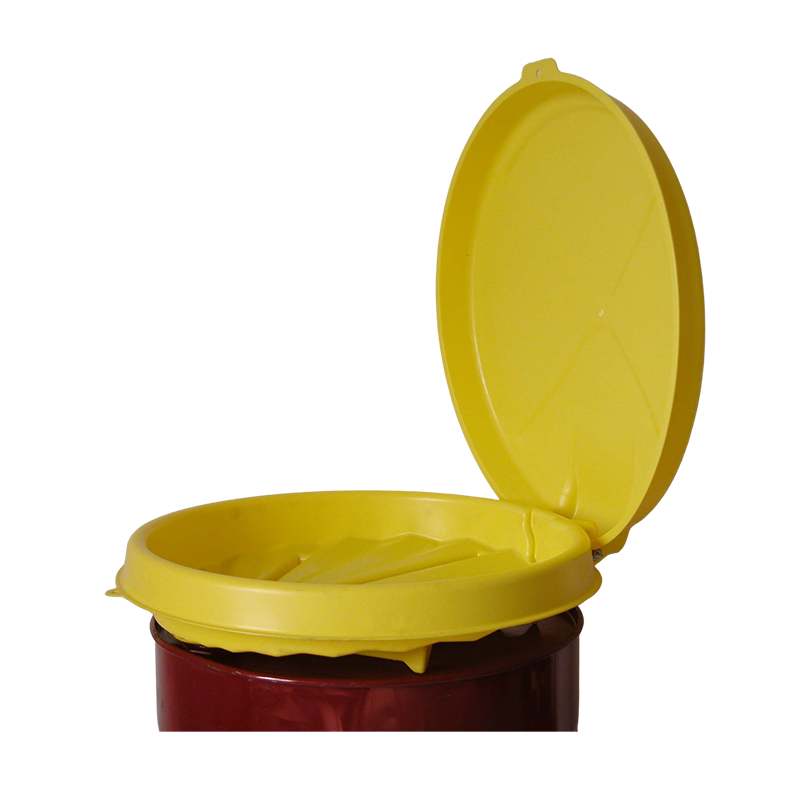
You must understand the pour-to-drain ratio. The bowl acts as a crucial buffer zone. It holds the difference between your pour speed and the drain rate. A technician pours liquid from a large five-gallon drum. The fluid enters the bowl very quickly. It drains through the spout much slower. The bowl must hold enough volume to prevent overflows. You need sufficient capacity to handle this volume difference safely.
Thick fluids require special consideration. Viscosity measures a fluid's resistance to flow. SAE 90 gear oil drains incredibly slow. Ambient temperature changes this resistance heavily. A cold winter morning makes heavy oil flow like molasses. You must use a larger capacity bowl for these applications. A two-quart minimum capacity is mandatory. It prevents overflows during rapid pouring. A bowl capacity functioning perfectly in summer might overflow in winter. Always size your capacity for your coldest operating environment.
Low-viscosity dynamics behave differently. Fluids like 0W-20 motor oil move quickly. Hydraulic fluids also drain very fast. They allow for smaller bowl capacities. You do not sacrifice pour speed at all. The liquid exits the spout almost instantly. You can use a more compact design safely. This saves valuable storage space in your shop.
| Fluid Type | Viscosity Level | Drain Rate | Recommended Bowl Buffer |
|---|---|---|---|
| SAE 90 Gear Oil | High | Slow | Large (2+ Quarts) |
| 15W-40 Diesel Oil | Medium | Moderate | Medium (1-2 Quarts) |
| AW32 Hydraulic Fluid | Low | Fast | Small to Medium |
| 0W-20 Motor Oil | Very Low | Very Fast | Small (<1 Quart) |
You must measure your target fill port accurately. Outer diameter constraints dictate your equipment choices. The spout OD must fit securely within the port. It should never seal the opening completely. You need air gaps for proper ventilation. The only exception involves an integrated breather tube. When selecting various Funnels, prioritize accurate OD measurements. This prevents dangerous fluid backups. Measure your most restrictive equipment ports first.
Spout length and angle determine accessibility. Different machines require entirely different approaches. Straight spouts work best for open, accessible ports. Top-mounted fill locations handle straight spouts perfectly. Obstructed access requires different geometric designs. Side-mounted transmission ports need angled spouts. Heavy machinery differentials often hide behind metal brackets. Offset spouts reach these difficult areas easily. They prevent awkward pouring angles and reduce wrist fatigue.
Spout shape influences flow rates significantly. Standard cylindrical spouts deliver consistent flow. They work well for uniform, easily accessible ports. Stepped spouts offer customized solutions. You can cut them to fit specific port sizes. This maximizes the flow rate for your specific application. Cut-to-fit options provide excellent versatility across mixed fleets.
Chemical compatibility dictates equipment lifespan. High-Density Polyethylene uses strong polymer chains. These chains resist breaking down when exposed to aggressive hydrocarbons. HDPE shrugs off accidental impacts safely. It will not shatter when dropped on concrete floors. Galvanized steel serves heavy industrial applications. High-heat scenarios require metal construction. Steel withstands extreme temperatures without melting. The zinc coating prevents the underlying steel from oxidizing. Every industrial-grade Oil Transfer Funnel must match its environment. You must verify material compatibility before purchase.
Contamination prevention remains absolutely critical. Integrated fine-mesh strainers catch dangerous debris. Bulk drums often contain particulate matter. Strainers stop this debris before it enters your machinery. Clean fluids extend your expensive asset lifespans. Strainers are absolutely mandatory for sensitive hydraulic systems.
Anti-splash features protect your technicians daily. Anti-splash rims keep fluids contained inside the bowl. They direct aggressive pours back into the center drain hole. Attachable lids prevent spills during transport across the shop. Bottom caps seal the spout completely. These features stop residual drips across your floor. Containment maintains a spotless, professional workspace.
You must choose between standardization and specialization. Deploying a universal size simplifies purchasing. One size fits many standard shop applications. However, specialized tasks require dedicated equipment. High-viscosity gear oil needs a specific design. Fast-flowing coolant requires another completely different shape. Evaluate your primary maintenance tasks carefully. Most facilities benefit from a hybrid approach. They keep universal sizes for basic tasks. They reserve specialized tools for critical, sensitive machinery.
Color-coding systems eliminate dangerous cross-contamination. We strongly recommend adopting color-coded equipment immediately. You must segregate fluids strictly. Use red for hydraulic fluids. Assign yellow to engine oils. Pick green for coolants. This visual system prevents catastrophic mixing. Technicians instantly grab the correct tool. Color-coding streamlines maintenance Standard Operating Procedures.
Storage constraints dictate your final selection. Lean manufacturing principles demand organized tools. The 5S methodology requires a specific place for everything. Wall-mounted pegboards keep tools at eye level. Technicians can visually verify inventory instantly. Nesting designs stack inside each other perfectly. They minimize the required square footage for tool storage. Clean storage maintains a hazard-free shop.
Selecting the correct size requires a mathematical alignment. You must balance fluid viscosity and pour volume constantly. You also have to assess port accessibility. Small spouts waste valuable maintenance time. Oversized bowls block technician visibility. The right equipment solves these physical challenges effortlessly.
We advise buyers to audit their most frequent maintenance tasks. Measure your most restrictive fill ports accurately. Select equipment prioritizing smooth flow. Emphasize contamination control features. Identify areas where spills occur most often. Upgrade your equipment in those specific zones first to see immediate results.
Take action today to protect your facility. Compare technical specifications in our detailed product catalog. You can also consult a sales engineer directly. We will help you outfit your entire facility safely and efficiently.
A: We recommend a minimum spout diameter of 1 inch. This larger opening accommodates the extremely slow flow rate of high-viscosity oils. It allows the thick fluid to drain fast enough to prevent bowl overflow. A wider spout also provides essential air venting during the pour.
A: No. Viscosity differences dictate entirely different flow dynamics. Thick gear oils require wide spouts, while thin fluids drain easily through narrow openings. Additionally, using separate, specifically sized equipment for coolant, hydraulic fluid, and motor oil physically prevents disastrous chemical cross-contamination inside your machinery.
A: An anti-splash rim acts as a vital fail-safe during rapid pouring. It aggressively directs fluid back toward the center drain hole. This simple feature prevents costly exterior spills if a technician accidentally pours faster than the equipment's maximum drain rate.
A: Long-neck options are absolutely essential for deep or obstructed fill ports. A standard spout simply cannot securely engage these hidden target areas. However, they may result in slightly slower flow rates due to increased internal friction along the extended neck.


